Cappadocia
Cappadocia Travel Guide: Beyond the Famous Balloon Photos
Cappadocia is one of those rare destinations that looks familiar before you arrive and completely different once you are standing inside it. Photographs usually show balloons, cave hotels and fairy chimneys, but the real experience is wider: quiet village streets, rock-cut churches, underground passages, vineyards, pottery studios and valleys that change color throughout the day.
It is not a single city or one compact attraction. Cappadocia is a broad historical landscape in Central Anatolia, with most visitor experiences centered around Göreme, Uçhisar, Ürgüp, Avanos and the valleys and settlements surrounding them.
A strong Cappadocia trip is not built by collecting as many attractions as possible. It comes from choosing the right base, protecting the first available morning for a balloon plan, combining one central route with one deeper historical route and leaving space for the light, weather and slower rhythm that make the region memorable.
This Cappadocia travel guide focuses on the decisions that shape a first visit: where to stay, how to plan the balloon morning, which valleys and historical routes to choose, how many days to allow and when a private route is more useful than a fixed group program.
What Makes the Cappadocia Landscape Unique?
Cappadocia's landscape was formed from layers of volcanic material deposited over a long geological period. Because these layers differed in hardness, they did not erode at the same speed.
Rainwater, surface flow, wind, freezing and thawing gradually removed softer sections while more resistant layers remained. The result is the landscape seen today: cones, ridges, pillars, rock caps, narrow canyons and the formations commonly called fairy chimneys.
The geological story explains the shapes, but people gave the landscape its cultural identity. The workable rock was carved into homes, storage rooms, churches, monasteries, pigeon houses, wine production spaces and underground shelters.
This is why Cappadocia feels different from an ordinary scenic destination. The natural formations were not simply admired from a distance. They became part of daily life, agriculture, worship, defense and architecture.
The World Heritage value of the Göreme area comes from this relationship between dramatic landforms and centuries of human settlement. It also means the landscape is vulnerable. Natural erosion continues, while careless climbing, touching painted surfaces and entering unstable openings can cause damage that cannot be replaced.
The detailed guide to the formation of Cappadocia's fairy chimneys explores the geology without reducing the region to one volcano or one simple erosion process.
The Cappadocia Experience Begins Before Sunrise
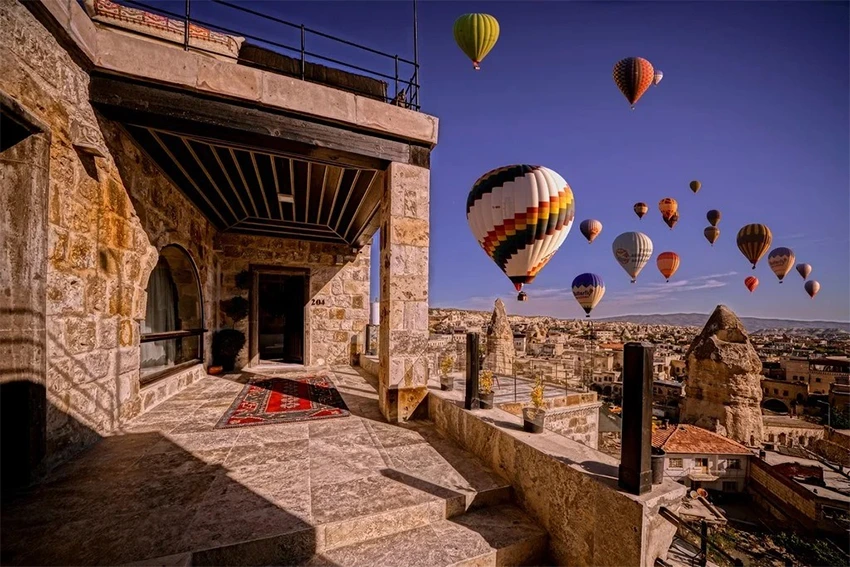
Many days in Cappadocia begin while the towns are still dark. Balloon vehicles move through narrow streets, hotel kitchens prepare early breakfasts and travelers gather on terraces and viewpoints before the first light reaches the valleys.
When balloons are approved to fly, the experience is not limited to passengers in the baskets. Visitors watch from hotel terraces, roadside viewpoints and open areas around Göreme, Uçhisar and the surrounding valleys.
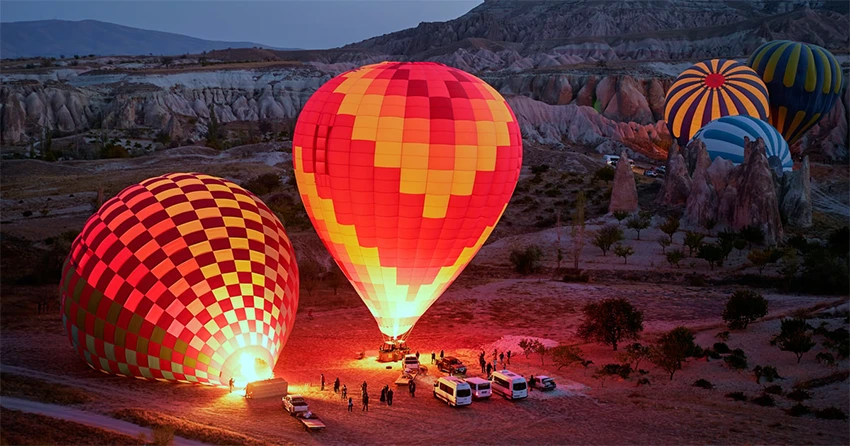
The image is iconic, but it is never guaranteed. Flights depend on weather conditions and official aviation approval. Wind direction also affects takeoff zones, flight paths and the areas where balloons can be viewed from the ground.
Related Tours
Popular experiences for this destination

Airport Transfer Service Cappadocia
Travel comfortably and safely between Cappadocia’s airports and your h…
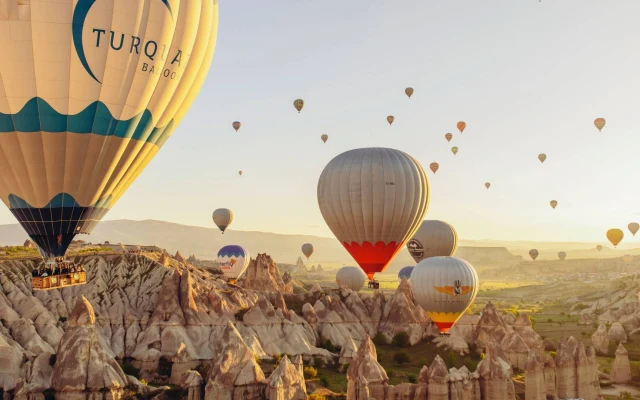 Balloon
Cappadocia Hot Air Balloon Tour
See Cappadocia from the air at sunrise on a professionally operated ho…
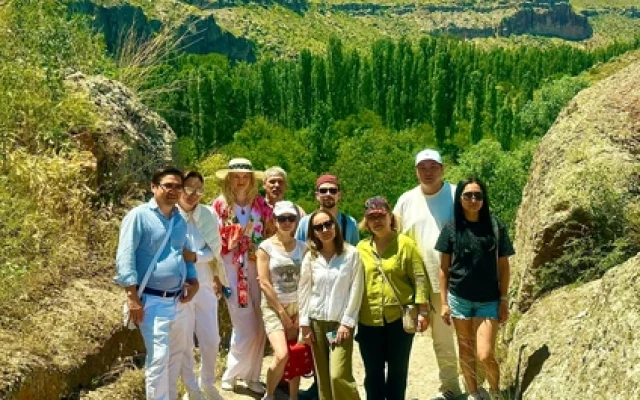 Green Tour
Green Tour Cappadocia
Explore Derinkuyu underground city, the beautiful Ihlara Valley, and S…
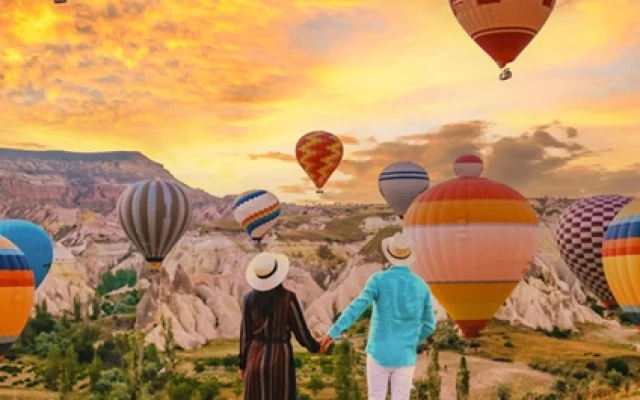 Balloon
Balloon Watching Tour Cappadocia
Watch the magical sight of hundreds of hot air balloons rising at sunr…
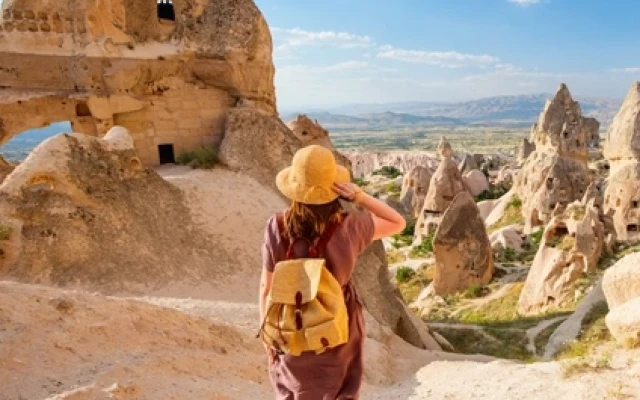 Adventure
Trekking Tours Cappadocia
Hike Cappadocia’s spectacular valleys, fairy chimneys, and cave dwelli…
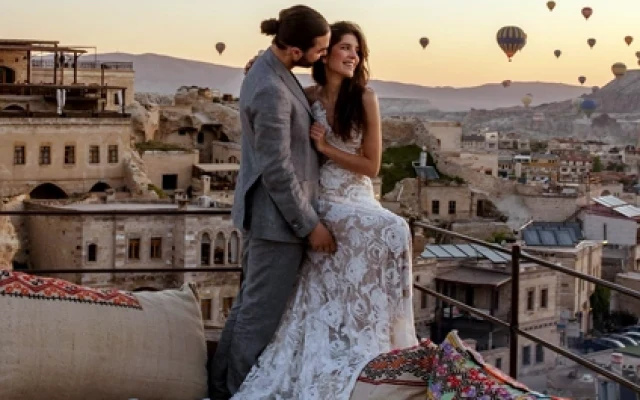
Professional Photo Shoot Cappadocia
Capture your Cappadocia moments with a guided professional photo shoot…
Cappadocia Rent A Car
Explore Cappadocia freely at your own pace with flexible car rental op…
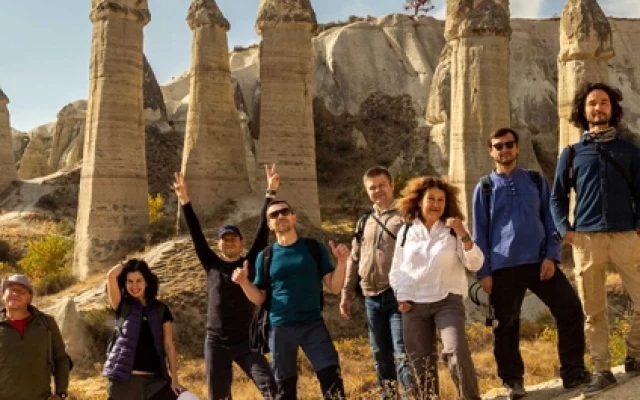
Vip Mix Tour Cappadocia
Experience the ultimate Cappadocia highlights in comfort-historic vall…
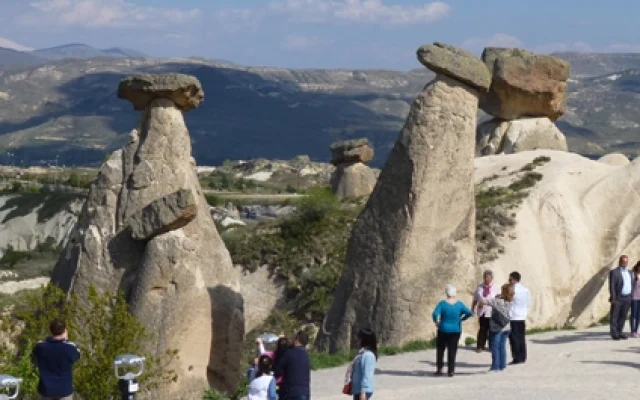 Red Tour
Red Tour Cappadocia
Discover Göreme Open-Air Museum, Avanos pottery workshops, and breatht…
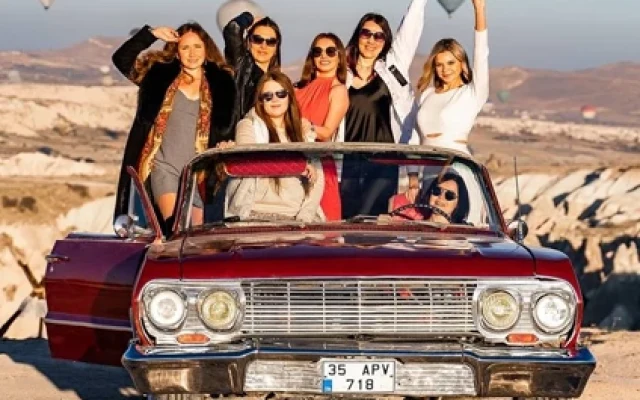
Classic Car Tour Cappadocia
Step into nostalgia with a vintage classic car ride through Cappadocia…
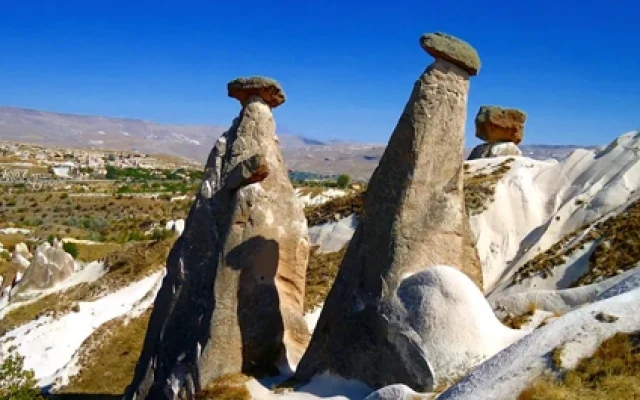 Blue Tour
Blue Tour Cappadocia
Explore hidden valleys, ancient churches, and cultural gems on Cappado…
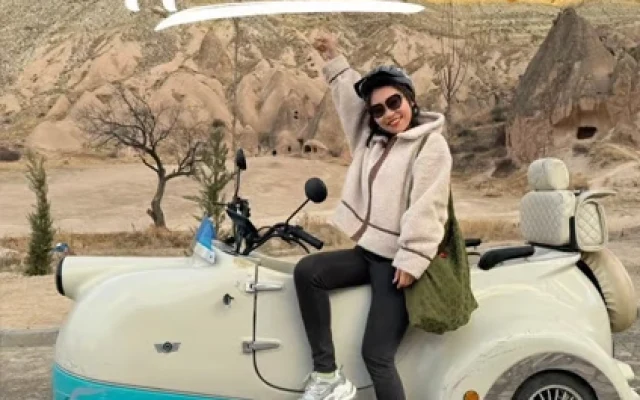
Nostalgic Electric Car Tour Cappadocia
Ride eco-friendly nostalgic electric cars through Cappadocia’s valleys…
Not every hotel terrace has the same view. Some overlook common balloon routes, while others face towns, rock formations or distant valleys. Travelers booking mainly for photography should check the exact terrace direction rather than relying only on a hotel's promotional photographs.
A balloon flight should be reserved for the first available morning of the stay. This leaves another morning available if the original flight is canceled and seats can be found on a later date.
A backup morning improves the plan but does not guarantee a replacement flight. When several weather cancellations occur, later flights can fill quickly with previously confirmed passengers.
The Cappadocia hot air balloon guide explains flight categories, timing and cancellation planning. Travelers ready to reserve can review the standard Cappadocia balloon flight.
The Photograph People Imagine and the Cappadocia Behind It
Cappadocia has become one of Turkey's strongest photography destinations. Balloons, classic cars, horses, flowing dresses and cave terraces appear constantly on social media, but the best photographs still depend on thoughtful timing and realistic expectations.
Balloon Photography
Balloon backgrounds depend on daily flight approval, takeoff areas and wind. A sunrise photo session should have a backup plan based on landscape, hotel terraces or quiet viewpoints in case balloons do not fly.
Sunset Photography
Sunset does not look the same from every viewpoint. Red Valley sunset is known for warm rock colors and a wider natural landscape, while Göreme Sunset Point provides an elevated view over the town and surrounding formations.
Valley Photography
Upper viewpoints create wide landscape images, but lower valley trails provide stronger scale, texture and depth. The most memorable photographs often come from walking between the formations rather than stopping briefly beside the road.
Cave Hotel Photography
A beautiful cave room does not automatically include a balloon view, private terrace or sunrise-facing window. Confirm which areas are private, which are shared and whether professional photography requires advance permission.
Photography experiences should fit naturally into the trip. Trying to place a balloon flight, classic car session, horseback ride and sunset ATV tour into the same day usually creates more waiting and rushing than memorable moments.
Where Should You Stay in Cappadocia?
There is no single best town for everyone. The right base depends on whether you value central access, panoramic views, evening restaurants, quiet streets or a more local atmosphere.
Göreme: Central and Energetic
Göreme is the most practical base for first-time visitors. Many tours and activities provide hotel pickup, and several valleys and viewpoints are close to town.
The center has restaurants, cafes, travel services and a lively evening atmosphere. The trade-off is that popular streets and viewpoints can feel busy, especially during sunrise and sunset hours.
Uçhisar: Views and Quiet Luxury
Uçhisar rises above the central Cappadocia landscape and is known for wide views, boutique cave hotels and a quieter evening atmosphere.
It suits couples, honeymoon travelers and guests who prefer privacy and panoramic terraces. Hills and steep streets should be considered when booking for children, seniors or travelers with limited mobility.
Ürgüp: Restaurants, Wine and Town Life
Ürgüp feels more like a settled town than a compact tourism village. It offers restaurants, stone mansions, wine cellars and a comfortable evening rhythm.
It works well for travelers who want Cappadocia's landscapes during the day but prefer a stronger dining and town experience after the tours finish.
Avanos: Pottery and Riverside Life
Avanos sits beside the Kızılırmak River and has a long association with pottery and ceramic production.
Its riverside setting and slower atmosphere appeal to families, craft lovers and travelers staying longer. The town is outside the immediate Göreme valley center, so transport planning matters more.
Ortahisar: Quiet and Well Positioned
Ortahisar offers a calmer local atmosphere with road access toward Göreme, Ürgüp and several valley routes. It can suit travelers who want to stay away from the busiest center while remaining close to major attractions.
Wherever you stay, check stairs, parking, terrace access, heating, ventilation and the real distance to restaurants. Cave hotels vary greatly, even within the same town.
How to Get Around Cappadocia
Cappadocia's towns, valleys and underground cities are spread across a wide area. Walking works within town centers and on selected valley routes, but it is not a complete transport solution for Ihlara Valley, distant villages or the main underground cities.
Group tours are efficient for standard routes. A private driver or private tour gives more control over timing, while a rental car suits confident drivers who are comfortable with rural roads, parking and navigation.
Local public transport connects some towns, but schedules are not designed around a full sightseeing program. Review the guide to getting to and around Cappadocia when comparing transfers, rental cars, taxis and guided routes.
Valleys Are Where Cappadocia Stops Feeling Like a Checklist
Viewpoints show the scale of Cappadocia, but valleys reveal its details. Walking below the ridges brings visitors closer to carved rooms, pigeon houses, churches, vineyards and the changing colors of the rock.
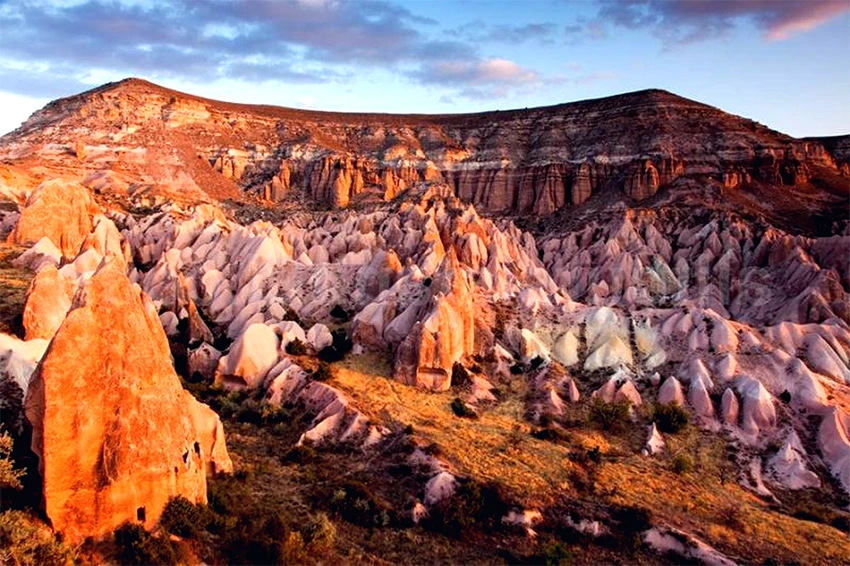
Rose and Red Valleys
Rose and Red Valleys form a connected network of trails rather than one fixed route. Visitors can choose a shorter walk, a church-focused route or a longer trail ending near a sunset viewpoint.
They are among the strongest choices for couples, photographers and travelers who want one memorable valley experience without travelling far from central Cappadocia.
Love Valley
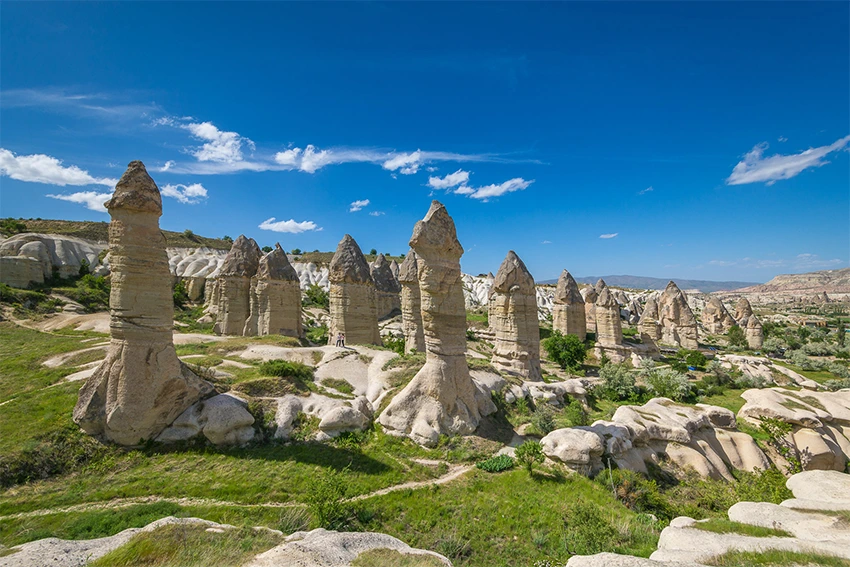
Love Valley is known for tall pillar-shaped formations. The upper panorama and the lower walking route offer different experiences and should not be treated as the same stop.
The panorama is easy to include during a driving route, while the valley floor requires more time and transport planning.
Zemi Valley
Zemi Valley offers greener scenery and several route options close to Göreme. Its paths can become muddy after rain, and entrances and exits should be confirmed before starting a longer walk.
Ihlara Valley
Ihlara Valley belongs to the longer southern Cappadocia route. Its riverside path, high canyon walls and rock-cut churches create a very different atmosphere from the dry central valleys.
Because it is farther from Göreme, it works better as part of a full southern route than as a casual short stop between central attractions.
Trail conditions can change because of rain, ice and erosion. Suitable shoes, daylight and a clear exit plan matter more than the number of kilometers shown in a general route description.
Rock-Cut Churches and the Human Side of Cappadocia
Cappadocia's churches are not decorative additions to the landscape. They are evidence of communities that shaped worship, settlement and artistic life around the geography of the region.
Related Tours
Popular experiences for this destination
Airport Transfer Service Cappadocia
Travel comfortably and safely between Cappadocia’s airports and your h…
BalloonCappadocia Hot Air Balloon Tour
See Cappadocia from the air at sunrise on a professionally operated ho…
Green TourGreen Tour Cappadocia
Explore Derinkuyu underground city, the beautiful Ihlara Valley, and S…
BalloonBalloon Watching Tour Cappadocia
Watch the magical sight of hundreds of hot air balloons rising at sunr…
AdventureTrekking Tours Cappadocia
Hike Cappadocia’s spectacular valleys, fairy chimneys, and cave dwelli…
Professional Photo Shoot Cappadocia
Capture your Cappadocia moments with a guided professional photo shoot…
Cappadocia Rent A Car
Explore Cappadocia freely at your own pace with flexible car rental op…
Vip Mix Tour Cappadocia
Experience the ultimate Cappadocia highlights in comfort-historic vall…
Red TourRed Tour Cappadocia
Discover Göreme Open-Air Museum, Avanos pottery workshops, and breatht…
Classic Car Tour Cappadocia
Step into nostalgia with a vintage classic car ride through Cappadocia…
Blue TourBlue Tour Cappadocia
Explore hidden valleys, ancient churches, and cultural gems on Cappado…
Nostalgic Electric Car Tour Cappadocia
Ride eco-friendly nostalgic electric cars through Cappadocia’s valleys…
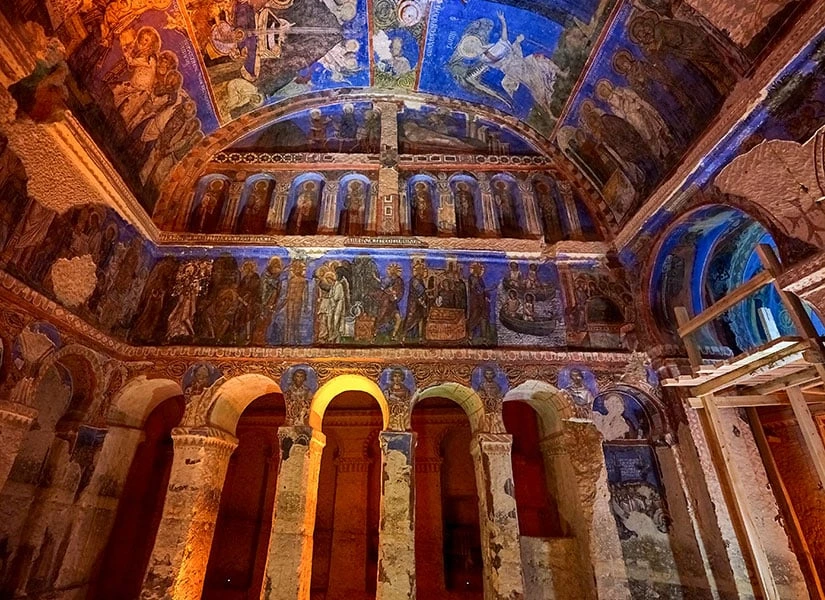
Göreme Open-Air Museum is the strongest introduction for first-time visitors. Its churches and chapels help explain the organization of monastic spaces and the development of Byzantine wall painting in Cappadocia.
Smaller churches around the valleys can feel more intimate, but access and preservation conditions vary. A closed door, faded painting or damaged entrance should not be treated as permission to climb, touch or enter.
The region's Christian heritage is also wider than one museum. Churches and monastic spaces appear around Ihlara, Soğanlı, Güzelyurt, Göreme and several less-visited valleys.
A guide becomes particularly valuable when the visit involves frescoes. Without historical and iconographic context, different churches can begin to look similar even though their dates, plans and artistic programs differ.
Underground Cities Are More Than Escape Tunnels
Cappadocia's underground cities contain corridors, ventilation shafts, storage rooms, communal spaces and areas associated with worship, production and refuge.
Their earliest construction dates are uncertain. Existing spaces were expanded, adapted and reused by different communities rather than completed during one period.
Derinkuyu Underground City is known for its vertical depth and extended visitor route. Kaymaklı Underground City generally feels more horizontal, although it still includes narrow and low passages.
Visitors with claustrophobia, knee problems or difficulty bending should consider the physical conditions carefully. Seeing one underground city with enough time and explanation is usually more rewarding than visiting several similar complexes quickly.
Which Cappadocia Tour Should You Choose?
Red, Green and Blue Tour are geographical route names, not quality levels. Each explores a different part of the region and creates a different type of sightseeing day.
| Tour | Character of the Day | Best For |
|---|---|---|
| Red Tour | Central Cappadocia, fairy chimneys, viewpoints, Göreme area and Avanos | First visits, shorter stays and classic highlights |
| Green Tour | Underground city, Ihlara Valley, Belisırma and Selime | History, longer landscapes and southern Cappadocia |
| Blue Tour | Old villages, churches, southern settlements and quieter routes | Longer stays and travelers seeking less crowded places |
| Private Mix Tour | A flexible selection of central and southern highlights | Families, couples, private groups and limited schedules |
Red Tour is the safer first choice when the priority is the classic Cappadocia landscape and less time in the vehicle. Green Tour is stronger when the underground city and Ihlara Valley are essential parts of the trip.
Blue Tour suits travelers who have already seen the famous central route or who prefer village architecture, churches and a quieter day.
A private route is most useful when the group has children, mobility concerns, a specific guide language or a strong photography priority. The main advantage is not skipping every rule or distance. It is controlling the pace and avoiding unnecessary stops.
Cappadocia for Couples, Families and Solo Travelers
Couples and Honeymoon Travelers
Cappadocia naturally suits romantic travel, but a good couple's itinerary should not consist only of staged photographs.
A balloon morning, quiet cave hotel, light valley walk, sunset viewpoint and relaxed dinner create a stronger experience than filling every day with separate photo activities.
Families With Children
Children often enjoy pottery, open viewpoints, balloon watching and short walks. Underground cities and long valley routes require more careful planning.
A family-friendly program should reduce repeated vehicle stops and include reliable meal and rest periods. A private tour can be useful, but many families can also enjoy a well-paced group route.
Solo Travelers
Group tours and shared activities make Cappadocia easy to experience alone. Göreme provides the simplest base for joining tours, reaching restaurants and meeting other travelers.
Solo walkers should avoid unfamiliar valleys after dark and should share their planned route when using quieter trails.
Senior Travelers and Limited Mobility
Cappadocia can still be rewarding without deep underground routes or long hikes. Panoramic viewpoints, short museum visits, private transport, pottery studios and accessible restaurants can form a comfortable itinerary.
Hotel access is especially important. A cave hotel may include steep stairs, uneven courtyards or rooms that cannot be reached directly by vehicle.
Food, Wine and Craft Give Cappadocia Its Local Rhythm
After a day of viewpoints and museums, Cappadocia becomes quieter and more local through its food, wine and craft traditions.
Local Food
Testi Kebab is the region's best-known restaurant dish. Meat and vegetables are cooked in a sealed clay vessel and the pot is opened before serving.
A generous Anatolian breakfast with cheese, olives, bread, honey, jams and tea can be one of the most enjoyable parts of a slower morning.
Wine Culture
Ürgüp and surrounding towns have tasting rooms and rock-carved cellars where visitors can try Emir and other Turkish grape varieties.
A Cappadocia wine tasting works especially well in the late afternoon or before dinner, provided transport has been arranged.
Avanos Pottery
Avanos workshops continue the region's long relationship with ceramic production. A demonstration provides a short introduction, while a hands-on workshop gives visitors time at the wheel.

Visitors interested in making a piece can join an Avanos pottery workshop. Fresh clay may require drying and firing, so same-day delivery should not be assumed.
Evening Experiences
A Turkish Night show is lively, social and entertainment-focused. A Whirling Dervish ceremony is quieter and should be approached as a cultural and spiritual presentation rather than a party.
The right choice depends on whether the evening should feel celebratory or reflective.
How Many Days Do You Need in Cappadocia?
Two to three full days provides the strongest balance for most first-time visitors. The real calculation should be based on usable mornings and sightseeing hours, not only the number of hotel nights.
One Full Day
One day is enough for a focused introduction, not a complete Cappadocia experience. Choose either the central Red Tour route or a private selection of major highlights, then finish with one sunset activity.
Two Days
A two-day Cappadocia itinerary can include a balloon morning, central highlights and either an underground city route or a valley experience.
It works best when arrival is early and departure is late. When both travel days are mostly lost to transfers, two nights can feel much shorter than expected.
Three Days
A three-day Cappadocia itinerary gives the best balance for a first visit. It allows time for Red Tour, Green Tour, a balloon morning and one local or sunset experience.
Three days also provides more flexibility when weather affects the balloon plan.
Four or Five Days
A four or five-day Cappadocia itinerary suits photography, honeymoon travel, hiking, food, wine, villages and craft experiences.
A longer stay should not repeat the same type of viewpoint every day. Mix major attractions with a slower valley walk, Blue Tour, local workshop or free afternoon.
When Is the Best Time to Visit Cappadocia?
There is no single perfect month because every season changes the character of the landscape.
Spring
Spring offers milder walking conditions, fresh vegetation and changeable weather. Mornings and evenings can remain cold, and rain may affect valley paths.
Summer
Summer provides long daylight hours and active evenings. The best outdoor periods are early morning and late afternoon because open valleys can become hot during the middle of the day.
Autumn
Autumn combines comfortable walking temperatures, warm colors and vineyard activity. It is also a popular travel period, so cave hotels and balloon places may require early planning.
Winter
Winter is quieter and can transform Cappadocia with snow. It also brings colder conditions, icy paths and a higher risk of weather-related changes.
Balloons can fly in every season when conditions are suitable. No month guarantees approval, and no season completely prevents cancellations.
A Better Cappadocia Trip Is Not the Busiest One
The most common mistake is treating Cappadocia as a background for a long list of photographs. The region becomes more memorable when there is enough time to walk below a viewpoint, sit through breakfast, understand one church properly and watch the light change without rushing to the next vehicle.
Choose one strong sunrise plan, one central route, one deeper historical route and one experience that matches your interests. This is enough to create a complete first visit without making every day feel identical.
Explore the full range of Cappadocia tours and activities when you are ready to compare experiences.
For a route built around your real arrival time, hotel location, balloon morning and group pace, share your dates and priorities through the contact page. A local plan should simplify the trip, not fill it with unnecessary stops.
Before independent valley walks, underground-city visits or weather-sensitive activities, review the Cappadocia safety and essentials guide.