Wine Tasting & Underground Cellars
Cappadocia Wine Tasting and Cave Cellars
A Cappadocia wine tasting offers a slower way to explore the region beyond balloon flights and valley tours. Visitors can sample Turkish grape varieties, enter selected rock-cut cellars and learn how vineyard location, climate and production methods shape the final wine.
Ürgüp is the strongest base for a dedicated tasting, while wine experiences can also be arranged around Uçhisar, Avanos and nearby towns.
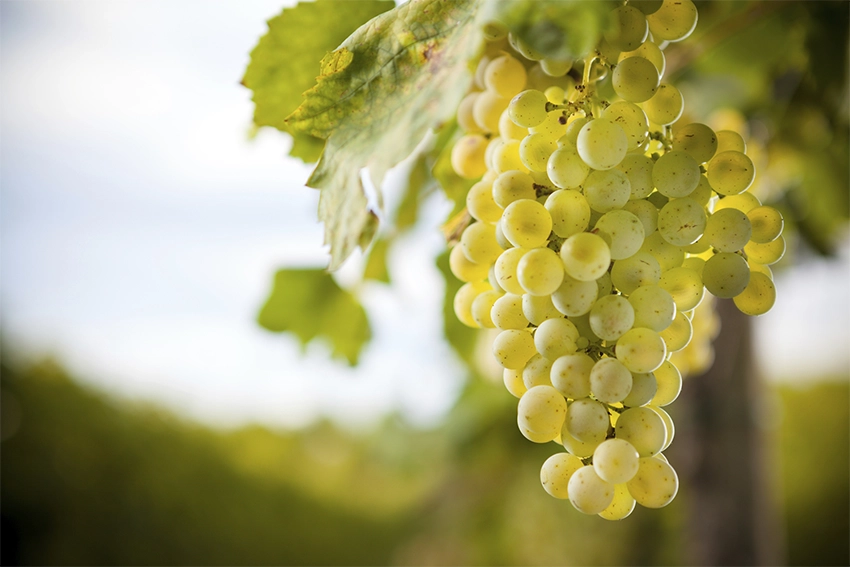
Most tastings take approximately 45 to 90 minutes. A longer winery visit may include production information, a cellar tour and food pairings.
Opening times, wine selections and cellar access vary by venue. Confirm the exact program before traveling.
What Makes Cappadocia Wine Different?
Cappadocia has a dry continental climate, elevated vineyard areas and soils shaped by volcanic geology.
These conditions influence vine growth, but they do not create one uniform Cappadocia flavor. Vineyard position, grape variety, harvest year, fermentation and aging remain equally important.
The region also has a long relationship with grape cultivation, wine, grape juice and molasses. Historical rock-cut hollows and caves were used for production and storage in several settlements.
Rock-Cut Wine Cellars
Cappadocia's soft volcanic rock allowed storage rooms and cellars to be carved beneath houses and into hillsides.
Selected modern wineries continue to use rock-cut spaces because interior temperatures can remain more stable than exposed outdoor conditions.
Related Tours
Popular experiences for this destination
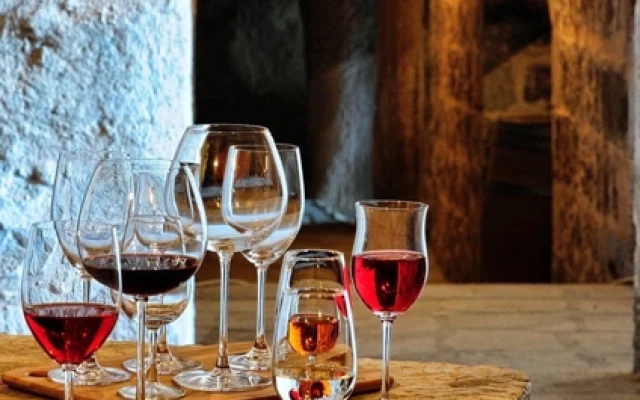
Wine Tasting Tour Cappadocia
Taste Cappadocia’s finest local wines in ancient vineyards and wine ho…
 Green Tour
Green Tour Cappadocia
Explore Derinkuyu underground city, the beautiful Ihlara Valley, and S…

Airport Transfer Service Cappadocia
Travel comfortably and safely between Cappadocia’s airports and your h…
 Adventure
Trekking Tours Cappadocia
Hike Cappadocia’s spectacular valleys, fairy chimneys, and cave dwelli…
Vip Mix Tour Cappadocia
Experience the ultimate Cappadocia highlights in comfort-historic vall…
 Red Tour
Red Tour Cappadocia
Discover Göreme Open-Air Museum, Avanos pottery workshops, and breatht…

Classic Car Tour Cappadocia
Step into nostalgia with a vintage classic car ride through Cappadocia…

Nostalgic Electric Car Tour Cappadocia
Ride eco-friendly nostalgic electric cars through Cappadocia’s valleys…
 Balloon
Cappadocia Hot Air Balloon Tour
See Cappadocia from the air at sunrise on a professionally operated ho…
 Adventure
ATV Tour Cappadocia
Ride powerful ATVs through Cappadocia’s unique valleys, fairy chimneys…
 Adventure
Horseback Riding Tour Cappadocia
Experience Cappadocia on horseback, riding through valleys, hidden tra…
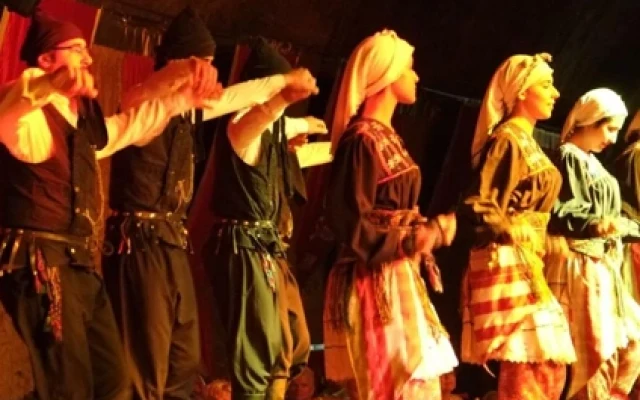
Turkish Night Show Cappadocia
Enjoy a traditional Turkish dinner with live music, folk dances, and w…
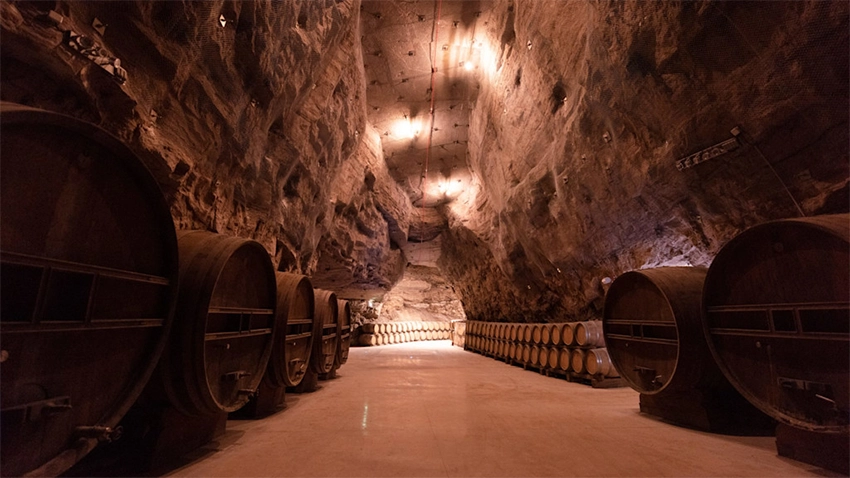
Not every cave tasting room is an ancient production cellar. Some venues occupy historic spaces, while others were adapted or created for modern hospitality.
A stable cave environment also does not remove the need for ventilation, hygiene and professional storage control.
Best Grapes to Try in Cappadocia
Emir
Emir is the white grape most strongly associated with Cappadocia.
It commonly produces fresh wines with lively acidity and citrus, green-fruit or mineral notes. The precise style depends on the vineyard and winemaking method.
Kalecik Karası
Kalecik Karası is a Central Anatolian red variety used by some Cappadocia producers.
It often creates lighter red wines with red-fruit aromas and moderate tannins.
Narince
Narince is an important Turkish white variety. It may appear as a single-variety wine or in a blend, but it is not exclusive to Cappadocia.
Öküzgözü and Boğazkere
Öküzgözü and Boğazkere are major Turkish red varieties frequently presented alone or in blends.
Ask where the grapes were grown, because a wine poured in Cappadocia may use fruit from another Turkish region.
The guide to Emir and Kalecik Karası wines provides a closer comparison.
Regional Wine Does Not Always Mean Regional Grapes
The winery location, production location and grape-growing region may be different.
A producer based in Cappadocia can offer wines made from grapes purchased elsewhere in Turkey.
This is not a problem when the information is clear.
Ask whether each wine is made with Cappadocia-grown grapes, a wider Central Anatolian harvest or fruit from another region.
Where to Go Wine Tasting
Ürgüp
Ürgüp provides the strongest concentration of established wine businesses, tasting rooms and cellar experiences.
It is also practical for combining a tasting with dinner or an evening in town.
Uçhisar
Uçhisar suits visitors who want to combine wine with boutique hotels, panoramic views or a planned dinner.
Avanos
Avanos works well within a craft and food itinerary.
Reserve a specific venue rather than assuming every restaurant or pottery stop offers a guided tasting.
Tasting or Winery Tour?
| Experience | What It Usually Includes | Best For |
|---|---|---|
| Short tasting | Several wines with a brief introduction | Travelers with limited time |
| Guided cellar visit | Cellar access, production context and tasting | Visitors interested in regional wine culture |
| Winery tour | Production areas, cellar explanation and selected wines | Visitors interested in winemaking |
| Private wine experience | Flexible timing, transport and optional food stops | Couples and private groups |
A tasting room visit does not automatically include a vineyard, production area or barrel cellar.
What Happens During a Guided Tasting?
A guided session may begin with an explanation of the grape varieties and producer.
The host can then discuss color, aroma, acidity, tannin, body and finish.
Visitors do not need previous wine knowledge. A useful tasting should explain the wines without making guests feel tested.
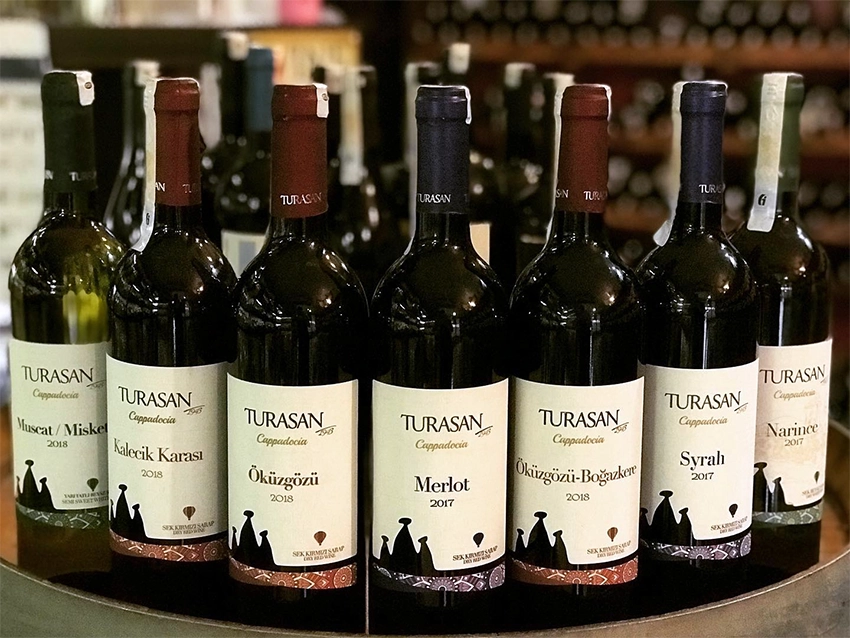
Water and neutral food can help between samples. The number and size of pours vary, so do not estimate alcohol intake only from the number of glasses.
Related Tours
Popular experiences for this destination
Wine Tasting Tour Cappadocia
Taste Cappadocia’s finest local wines in ancient vineyards and wine ho…
Green TourGreen Tour Cappadocia
Explore Derinkuyu underground city, the beautiful Ihlara Valley, and S…
Airport Transfer Service Cappadocia
Travel comfortably and safely between Cappadocia’s airports and your h…
AdventureTrekking Tours Cappadocia
Hike Cappadocia’s spectacular valleys, fairy chimneys, and cave dwelli…
Vip Mix Tour Cappadocia
Experience the ultimate Cappadocia highlights in comfort-historic vall…
Red TourRed Tour Cappadocia
Discover Göreme Open-Air Museum, Avanos pottery workshops, and breatht…
Classic Car Tour Cappadocia
Step into nostalgia with a vintage classic car ride through Cappadocia…
Nostalgic Electric Car Tour Cappadocia
Ride eco-friendly nostalgic electric cars through Cappadocia’s valleys…
BalloonCappadocia Hot Air Balloon Tour
See Cappadocia from the air at sunrise on a professionally operated ho…
AdventureATV Tour Cappadocia
Ride powerful ATVs through Cappadocia’s unique valleys, fairy chimneys…
AdventureHorseback Riding Tour Cappadocia
Experience Cappadocia on horseback, riding through valleys, hidden tra…
Turkish Night Show Cappadocia
Enjoy a traditional Turkish dinner with live music, folk dances, and w…
Wine and Food Pairings
- Emir: Local cheese, meze, fish and lighter vegetable dishes
- Kalecik Karası: Roasted vegetables, grilled meat and medium-aged cheese
- Öküzgözü: Lamb, kebabs and tomato-based dishes
- Boğazkere: Grilled red meat and stronger flavors
Pairings are suggestions rather than strict rules. Sauce, spice, cooking method and the specific wine matter more than the grape name alone.
A local red can accompany Testi Kebab, but the strongest choice depends on the meat and sauce.
How Long Does a Wine Tasting Take?
| Format | Approximate Time | Planning Note |
|---|---|---|
| Brief tasting | 30 to 45 minutes | Limited producer and cellar information |
| Guided tasting | 45 to 90 minutes | Suitable for most first-time visitors |
| Cellar or winery visit | 60 to 120 minutes | Confirm which areas are included |
Food service, bottle shopping and transport waiting time should be added separately.
Best Time of Day
An afternoon tasting works well before dinner.
A midday visit can provide an indoor break during hot weather, but drinking before a long hiking or driving program is not practical.
A cellar visit can also follow an early balloon flight when the rest of the day remains relaxed.
Late sessions should be coordinated with dinner and return transport.
Planning Transport
Arrange a driver, taxi or included hotel transfer when planning to drink.
Driving immediately after a tasting should not be part of the itinerary.
Before leaving the hotel, confirm:
- Pickup time
- Return time
- Waiting arrangements
- Whether the transfer is private or shared
- Which towns are included in the pickup area
The guide to getting to and around Cappadocia can help with wider route planning.
What to Confirm Before Booking
- Which wines are included
- The number and size of samples
- Whether the tasting is guided
- Whether cellar access is included
- Whether food pairings are provided
- Whether the experience is private or shared
- Whether hotel transfer is included
- Whether bottles can be purchased afterward
- Whether stairs or narrow cave passages are involved
Accessibility and Cave Conditions
Some cellars contain steps, uneven floors, low ceilings and narrow passages.
Full wheelchair access should not be assumed.
Visitors with mobility or balance concerns should ask which parts of the experience are accessible.
Rock-cut interiors can feel cool even during summer. A light layer can be useful during a longer cellar visit.
Buying Wine After the Tasting
Ask whether the bottle tasted is from the same vintage currently offered for sale.
Confirm the grape variety, vintage, bottle size and price before paying.
Check airline baggage and destination customs rules before buying several bottles.
Wine should be packed securely and protected from heat during travel.
International shipping is not available from every venue and should be confirmed in writing.
Common Wine Tasting Mistakes
- Assuming every wine uses local grapes: Ask where the fruit was grown.
- Calling every cave ancient: Some spaces were adapted for modern tourism.
- Expecting a vineyard visit: A tasting room may be located far from the vineyard.
- Booking without transport: Arrange the return before drinking.
- Overloading the day: Wine tasting works better on a slower itinerary.
- Ignoring cellar access: Steps and narrow passages may affect some visitors.
Booking a Cappadocia Wine Experience
Reserve the Cappadocia wine tasting tour for a planned tasting with local coordination and available transport options.
A cellar visit can also be added to a private Cappadocia Mix Tour when the venue and timing are confirmed in advance.
Send the date, hotel, group size, preferred time and transfer request through the contact page.
Questions Travelers Ask About Cappadocia Wine
What wine should you try first?
Emir is the clearest starting point for a Cappadocia-focused tasting.
Where is the strongest area for wine tasting?
Ürgüp offers the strongest concentration of tasting rooms and cellar experiences.
Do you need a reservation?
Reservations are recommended for guided tastings, private sessions, food pairings and transfers.
Are the cellars underground?
Many are carved into rock or partly below ground, but the architecture varies by venue.
Can hotel transfer be included?
Some organized experiences include pickup and drop-off. Confirm the service area before booking.
What food pairs well with local wine?
Cheese, meze, vegetables, grilled meat and Testi Kebab can work well, depending on the wine style.
Can children enter a winery?
Venue policies vary. Families should confirm entry rules and whether a non-alcoholic option is available.
A Slower Cultural Experience in Cappadocia
Cappadocia wine tasting connects vineyards, Turkish grape varieties and the region's rock-cut storage tradition.
Emir provides the strongest regional starting point, while other Turkish grapes broaden the tasting.
The best experience clearly explains where the grapes were grown, what parts of the winery are included and how guests will return safely.
Use the Cappadocia trip planning guide and the Cappadocia stay and food guide when combining a tasting with dinner or a slower sightseeing day.