Avanos
Avanos Cappadocia Travel Guide
Avanos is the riverside pottery town of Cappadocia, known for traditional workshops, the Kızılırmak River, historic stone houses, ceramic museums and a calmer atmosphere than the main valley centers. Half a day is enough for a first introduction, while a full day allows time for pottery, the old town, riverside walking, museums and a relaxed meal.
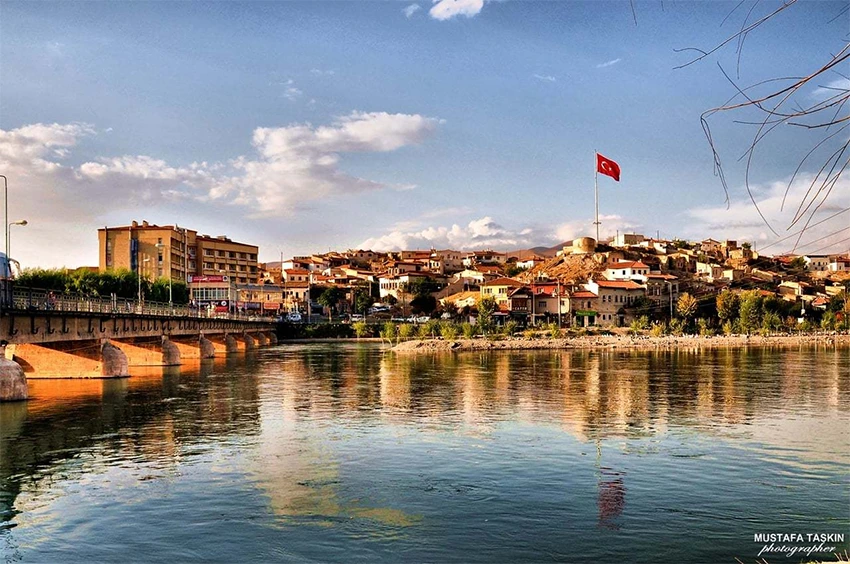
Avanos reveals a side of Cappadocia that feels very different from the cave hotels and dry fairy chimney valleys around Göreme. The town grew beside a river, agricultural land, craft workshops and regional trade routes.
Pottery remains central to the town's identity, but Avanos should not be reduced to a short demonstration stop. Visitors can walk beside the river, cross the suspension bridge, explore stone neighborhoods, visit ceramic collections and use the town as a base for Paşabağ, Zelve and Devrent Valley.
Avanos is easiest to understand in three parts. The riverfront is flat and practical for walking, the commercial center contains workshops and everyday services, and the older neighborhoods rise onto slopes behind the main streets.
This layout makes route planning important. A visit limited to one showroom and a bus parking area misses the river and old town, while a riverside walk alone does not explain why pottery became the town's strongest cultural identity.
For a balanced first visit, combine one carefully chosen pottery workshop with the river, the suspension bridge and a short old-town walk. Add a ceramic museum when you have at least half a day.
Why Visit Avanos?
- Traditional pottery: Watch experienced artisans shape clay on a kick wheel or join a practical workshop yourself.
- Kızılırmak River: Enjoy riverside paths, bridges, cafés and a greener landscape than the central valleys.
- Historic town center: Discover old stone houses, courtyards, rock-cut storage spaces and narrow neighborhood streets.
- Ceramic museums: See how pottery developed from prehistoric vessels to contemporary ceramic art.
- Convenient northern route: Combine Avanos with Paşabağ, Zelve, Devrent and Çavuşin in one day.
- Everyday town atmosphere: Avanos serves local residents as well as visitors, giving it a rhythm that feels less dependent on tourism.
History of Avanos
Avanos stands within a landscape that has been occupied for thousands of years. Archaeological work at Topraktepe, south of the modern town center, uncovered material connected with the Middle Chalcolithic period, approximately 5200 to 4500 BC.
These finds push the ceramic history of the wider Avanos area further back than the Early Bronze Age evidence previously associated with places such as Zank Höyük and Topaklı Höyük.
The discoveries do not create a straight, unbroken line from prehistoric Topraktepe to today's family workshops. They do show that communities around Avanos were making and using ceramic objects thousands of years before the modern town took shape.
This distinction matters. Archaeological pottery proves early ceramic production and use in the wider area, but it does not establish that one unchanged workshop tradition continued for seven thousand years. Materials, firing methods, vessel forms and social uses changed repeatedly.
Topraktepe is important because it adds evidence from central volcanic Cappadocia, an area where prehistoric research has historically been more limited than in parts of Aksaray and Niğde. The findings help place Avanos within a wider archaeological landscape rather than serving only as a tourism slogan.
Avanos is often connected in historical literature with ancient Venasa or Venessa in the Kingdom of Cappadocia. The geography and administrative centers of ancient Cappadocia changed across the centuries, but the association reflects the long importance of this part of the region.
During the Seljuk period, the settlement appeared under names such as Evenüz or Evanüz. One interpretation connects these names with evani, a word used for vessels and household containers. The explanation fits the town's pottery identity, although the full development of the name Avanos remains open to interpretation.
Ottoman and later neighborhoods grew around stone houses, courtyards, workshops, religious buildings and river crossings. As the town expanded on both sides of the Kızılırmak, the river remained central to work, transport and daily life.
The historical names Venasa, Evenüz, Evanüz and Avanos appear in different sources and interpretations. They should not be treated as a perfectly documented sequence with one universally accepted linguistic explanation.
The modern town developed through gradual expansion, rebuilding and reuse. Its archaeological past, Seljuk monuments, Ottoman neighborhoods and living craft economy belong to different historical layers that should not be merged into one simplified story.
Why Is Avanos Famous for Pottery?

Pottery developed so strongly in Avanos because the surrounding landscape offered workable clay, water, workshop space and access to regional trade routes.
The usual story says that Avanos potters collect red clay directly from the Kızılırmak. The river and its sediments are certainly part of the town's identity, but local craftsmen have also worked with clay from deposits around Gedik, Burabayır, Cinderesi and Kızılöz.
Raw clay is not taken from the ground and placed immediately on the wheel. It needs to be cleaned, broken down, mixed, rested and prepared until it reaches the consistency required by the potter.
The final clay body may combine materials from more than one source. Potters adjust mixtures according to plasticity, color, strength, firing behavior and the type of object being produced.
The red color associated with Avanos pottery does not mean that every workshop uses identical clay or one fixed recipe. Ask where the material comes from and whether the answer refers to the clay body, a surface slip or a decorative pigment.
Historically, Avanos workshops produced practical containers used for:
- Water and other liquids
- Milk, yogurt and butter
- Wine, vinegar and grape molasses
- Grain and agricultural products
- Cooking and food preparation
As metal, glass and industrial containers became common, pottery production changed. Workshops increasingly created decorative plates, painted bowls, vases, miniature vessels, sculptures and products for visitors, especially as tourism grew during the late 20th century.
This shift did not make the craft inauthentic, but it changed the market. A workshop may now produce practical cookware, decorative ceramics, collectible art and quick visitor pieces within the same building.
When comparing workshops, look at what is actually being made on site. A large showroom may contain locally produced work, items made elsewhere in Türkiye and factory-assisted pieces displayed together.
The craft is explored in more depth in the guide to Avanos pottery workshops.
How Is Avanos Pottery Made?
Every workshop has its own methods, clay mixtures and designs, but traditional pottery usually passes through several main stages:
- Clay collection and preparation: Raw clay is cleaned, crushed, mixed and rested.
- Wedging: The clay is pressed and worked to remove air pockets and create an even texture.
- Wheel shaping: The potter centers the clay and shapes it while the wheel rotates.
- Initial drying: The piece rests until it becomes firm enough to handle.
- Trimming and decoration: Excess clay is removed, and the surface may be carved, painted or polished.
- Firing: The dried object is heated in a kiln until the clay becomes ceramic.
- Glazing or additional firing: Some pieces receive glaze, painted decoration or a second kiln firing.
Traditional Avanos wheels can be turned by foot or kick action. The potter controls the speed with one leg while keeping both hands free to center and shape the clay.
Watching an experienced artisan makes the process look effortless. Sitting at the wheel yourself usually reveals how much control is hidden behind those quick hand movements.
A short visitor session normally focuses on centering and shaping one simple form. It does not reproduce the full production process because proper drying, trimming, decoration and firing take much longer.
Pieces made during a brief session may crack or deform while drying. Ask whether the workshop intends to fire the object, how collection works and whether international shipping is practical before assuming you will receive the finished piece.
Visiting a Pottery Workshop

A pottery workshop visit usually begins with a demonstration by a master potter. In many studios, visitors are then invited to sit at the wheel and try shaping a small bowl or vessel.
A demonstration can be enjoyable even when you are not planning to shop. Workshops, however, have different personalities. Some concentrate on clay preparation, production and teaching, while others operate mainly as large ceramic showrooms.
Related Tours
Popular experiences for this destination
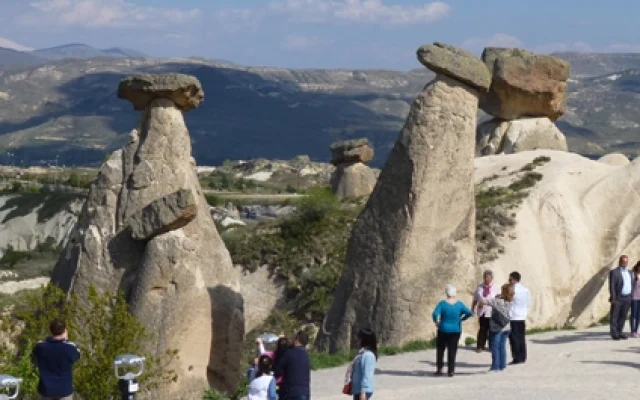 Red Tour
Red Tour Cappadocia
Discover Göreme Open-Air Museum, Avanos pottery workshops, and breatht…
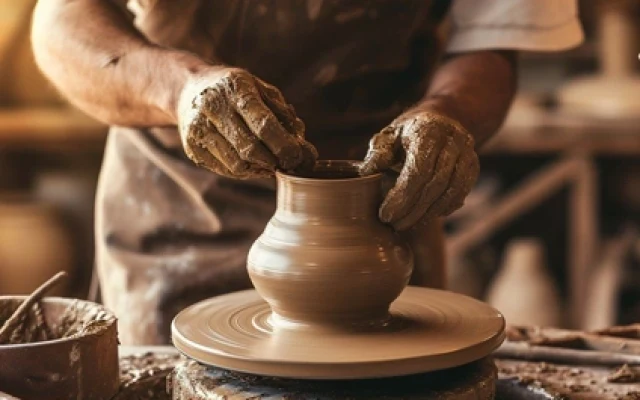
Pottery Workshop Cappadocia
Learn the ancient art of pottery from Avanos masters, try shaping clay…
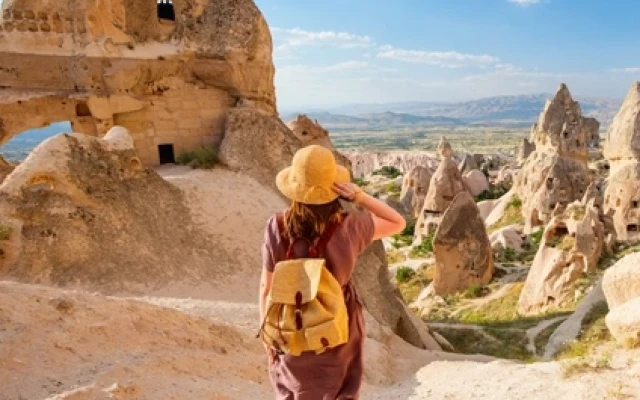 Adventure
Trekking Tours Cappadocia
Hike Cappadocia’s spectacular valleys, fairy chimneys, and cave dwelli…
 Adventure
ATV Tour Cappadocia
Ride powerful ATVs through Cappadocia’s unique valleys, fairy chimneys…
 Adventure
Horseback Riding Tour Cappadocia
Experience Cappadocia on horseback, riding through valleys, hidden tra…

Cappadocia Rent A Car
Explore Cappadocia freely at your own pace with flexible car rental op…

Professional Photo Shoot Cappadocia
Capture your Cappadocia moments with a guided professional photo shoot…

Airport Transfer Service Cappadocia
Travel comfortably and safely between Cappadocia’s airports and your h…
 Blue Tour
Blue Tour Cappadocia
Explore hidden valleys, ancient churches, and cultural gems on Cappado…
Wine Tasting Tour Cappadocia
Taste Cappadocia’s finest local wines in ancient vineyards and wine ho…
 Balloon
Cappadocia Hot Air Balloon Tour
See Cappadocia from the air at sunrise on a professionally operated ho…
Vip Mix Tour Cappadocia
Experience the ultimate Cappadocia highlights in comfort-historic vall…
Questions to Ask Before Joining
- Is the demonstration free or included in a paid activity?
- Will visitors be able to use the pottery wheel?
- Is the piece fired and delivered later, or is it only a practice session?
- Are packaging, shipping and insurance included in the final price?
- Was the product made inside the workshop?
- Is the glaze suitable for food and drink use?
- What happens if a shipped ceramic item arrives damaged?
A friendly demonstration does not oblige you to buy anything. Look at the workmanship, weight, painted detail, glaze quality and shipping terms before choosing an expensive piece.
Choose the workshop according to your purpose. A family studio may provide a quieter explanation, a large workshop may show a broader product range, and a structured class may give more time at the wheel.
Tour groups often arrive on fixed schedules, so demonstrations can become brief when several vehicles enter together. Independent visitors can ask whether a quieter session is available earlier or later in the day.
For valuable purchases, request an itemized receipt that describes the piece, price, shipping cost and damage procedure. Verbal promises are difficult to verify after leaving Türkiye.
Travelers who want more time at the wheel can reserve a pottery workshop experience in Avanos.
How to Recognize Handmade Pottery
Handmade pottery often contains small differences that do not appear in factory production. These variations are part of the making process rather than automatic signs of poor quality.
- Minor differences in shape or painted details
- Subtle wheel marks around the body or base
- A workshop mark or artisan signature
- Small variations between pieces from the same set
- Decoration that follows the curve of the individual vessel
Terms such as handmade, hand-painted and locally produced describe different parts of the process. A molded object may still be decorated by hand, while a wheel-thrown piece may receive printed decoration.
When authenticity matters, ask the seller to explain how the piece was shaped, decorated, glazed and fired. A good workshop should be comfortable answering those questions.
Do not use minor irregularity as the only proof of hand production. Factory-made objects can be intentionally varied, while highly skilled wheel-thrown work may appear almost identical across a set.
For plates, cups and cooking vessels, ask specifically about food-safe glaze and intended use. Decorative ceramics may not be suitable for hot food, acidic liquids, dishwashers or direct flame.
Hairline cracks in the glaze, known as crazing, may be intentional on decorative work but can be unsuitable for some food applications. The workshop should explain care instructions clearly.
Güray Museum and the History of Ceramics
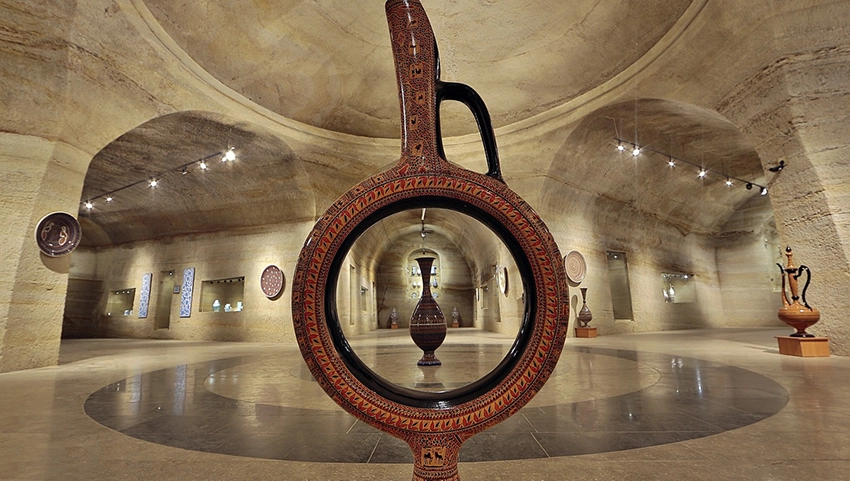
Güray Museum is a privately operated underground museum dedicated to ceramics and pottery. Its collections bring together archaeological vessels, traditional Avanos pottery and modern ceramic art.
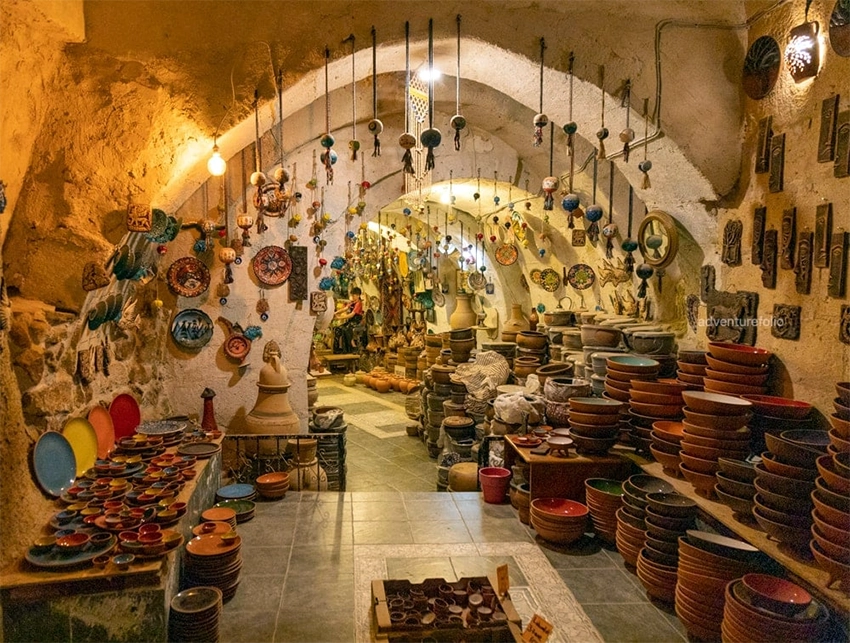
The museum works particularly well before or after a workshop visit. Historical vessels make it easier to understand that pottery was once essential technology rather than decoration. Ceramic containers were used for cooking, storage, transport, ritual and trade.
Exhibitions, admission prices, guided visits and opening hours can change. Check the current visitor information directly before traveling.
Allow at least 45 to 60 minutes when ceramics are a main interest. Moving slowly through the historical and contemporary sections makes it easier to compare vessel function, shape, decoration and firing technology.
The museum and a working workshop answer different questions. The museum provides historical context, while the workshop demonstrates living skills and current production. Visiting both prevents pottery from being understood only as a souvenir activity.
The Hair Museum
Avanos is also known for a privately operated Hair Museum connected with a pottery workshop. Its walls display hair locks and handwritten notes left by visitors over many years.
The collection is an unusual modern attraction rather than an archaeological or ethnographic museum. Some visitors find it fascinating, while others remember it simply as one of the stranger stories they heard during their Cappadocia trip.
Access arrangements and photography policies are determined by the operator, so check the current rules at the workshop.
The Hair Museum is not essential for understanding Avanos pottery. Include it when unusual modern collections interest you, but prioritize a workshop and ceramic museum when time is limited.
Kızılırmak River
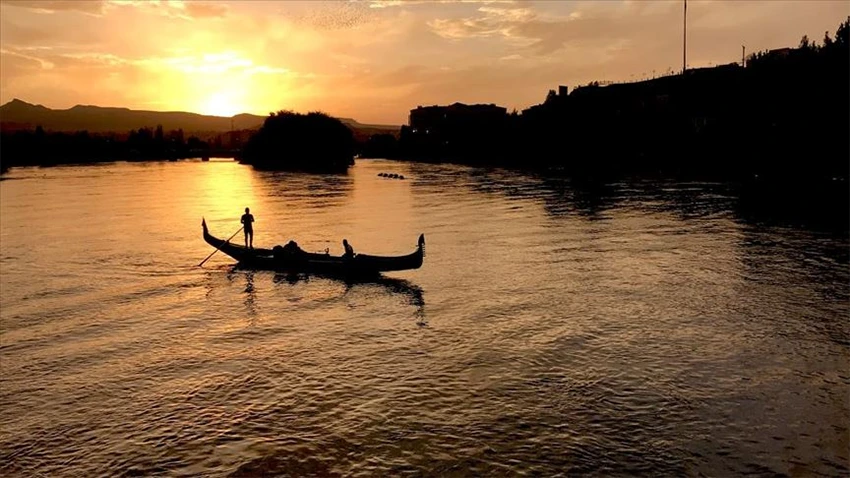
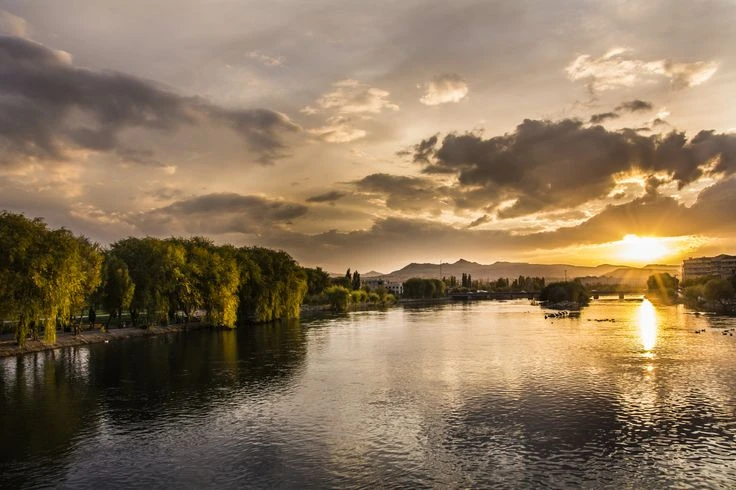
The Kızılırmak, whose name means Red River, passes through the center of Avanos and separates the northern and southern sides of the town. It is the longest river located entirely within Türkiye.
The riverside provides an easy and relatively flat place to walk. It is a welcome change after steep valley paths, underground city tunnels and rocky museum routes.
Depending on the season and current operations, visitors may find:
- Landscaped walking paths
- Benches and shaded resting areas
- Cafés and restaurants
- Ducks, geese and other water birds
- Boat or gondola-style rides
- Pedestrian bridges connecting both sides of town
River levels, weather and local operating decisions affect boat and gondola services. An activity shown in an older photograph may not be running on the day of your visit.
The riverfront is one of the easiest areas in central Cappadocia for a relaxed walk, but it is not completely level in every section. Bridges, curbs, wet paving and crowded café areas can still affect accessibility.
Do not feed birds large amounts of bread or processed food. Follow local signs around wildlife and keep children close to the water's edge.
Morning is usually quieter, while the riverfront becomes more social in the late afternoon and evening. Summer shade varies by section, so carry water even when planning only a short walk.
Avanos Suspension Bridge
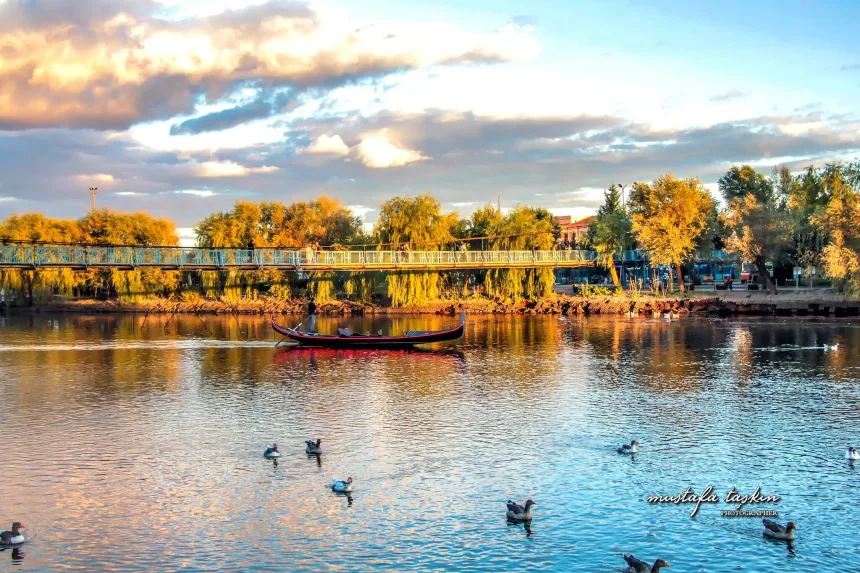
The pedestrian suspension bridge is one of the most recognizable ways to cross the Kızılırmak. It moves gently as people walk across, which often surprises first-time visitors.
The bridge gives you open views over the riverbanks and town. It is also narrow enough that stopping in the middle for a long photo session can create a small traffic jam behind you.
Keep a secure hold on phones and cameras while the bridge is moving, supervise children closely and leave space for people crossing in both directions.
Temporary closures can occur because of maintenance, weather or river conditions.
The movement of the bridge is normal, but it can be uncomfortable for visitors with balance problems or motion sensitivity. Alternative crossings may be more suitable.
Do not stop as a group across the full width of the bridge. Move to the side where possible and continue to a stable riverbank area for longer photographs.
Avanos Old Town and Stone Houses
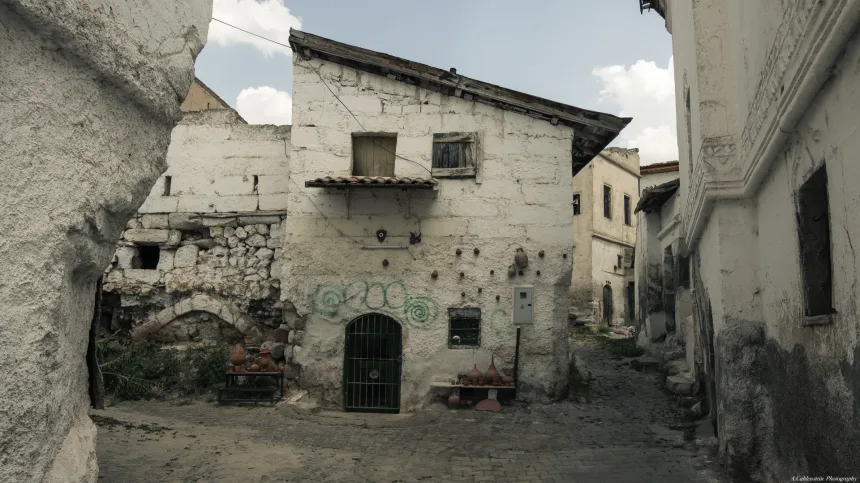
The older neighborhoods of Avanos contain stone houses, inner courtyards, carved storage rooms and facades decorated with local stonework.
Some houses combine built masonry rooms with spaces cut into the rock behind them. These rear rooms were useful for food and household storage because their temperature changed more slowly than rooms directly exposed to the weather.
Walking uphill from the river reveals a quieter Avanos. Laundry, courtyard doors, workshops and old facades replace the busier restaurants and commercial streets beside the water.
Historic houses vary greatly in condition. Some have been restored as hotels, restaurants, cultural spaces or private homes, while others remain damaged or abandoned.
An open door or broken window does not make an abandoned house safe to enter. Unmaintained buildings may contain weak floors, falling stones and unstable underground rooms.
A practical old-town walk begins near the river, climbs gradually through selected stone streets and returns by a different route toward the commercial center. Allow around 45 to 75 minutes depending on slopes and photography stops.
Look for the transition between constructed stone rooms and spaces carved into the rock behind them. Courtyard walls, storage entrances, carved niches and changes in floor level reveal how the houses followed the terrain.
Many lanes remain residential. Keep voices low, avoid photographing through windows and do not treat private courtyards as visitor attractions.
Saruhan Caravanserai
Active religious buildings should be visited outside prayer times when possible. Modest clothing and quiet behavior are more important than collecting photographs of every interior detail.
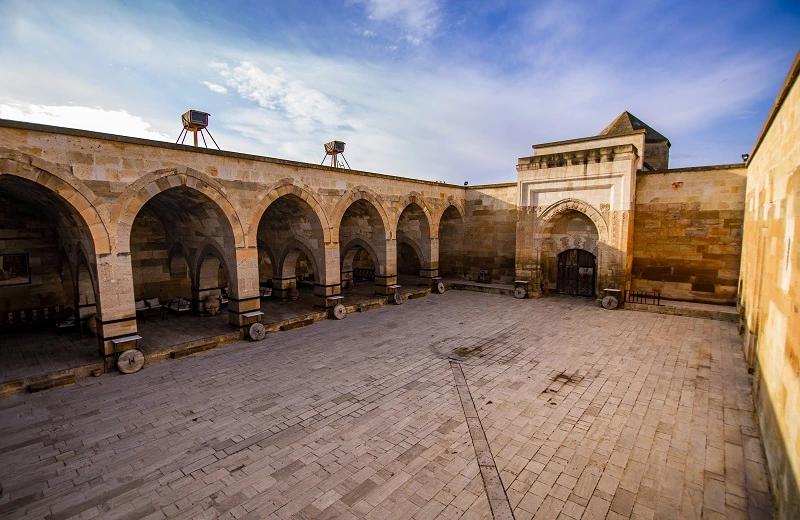
Saruhan is a 13th-century Seljuk caravanserai located outside central Avanos. It was constructed for travelers, merchants and animals moving along regional trade routes.
A caravanserai was more than a roadside inn. These complexes could provide protected accommodation, storage areas, animal shelter and a secure resting place between towns.
Saruhan requires a separate road journey and should not be planned as a riverside walking attraction. Check current access, events and opening arrangements before traveling to the building.
The building is commonly connected with evening whirling dervish programs, but performance schedules and visitor access can change. Confirm whether a ticket includes only the ceremony or also transportation from your hotel.
Arrive early enough to see the exterior in daylight when architecture is a priority. Event visits after dark focus more on the interior program than on understanding the complete caravanserai plan.
Carpet Weaving and Other Local Crafts
Pottery is Avanos's strongest craft identity, but local workshops and shops also offer carpets, kilims, stone products, jewelry and decorative objects.
The guide to carpet and kilim weaving explains weaving techniques, yarn materials, dyes, knotting and the questions worth asking before purchasing an expensive textile.
For stone products, read the guide to Cappadocia onyx stone craft. Colorful stone objects sold in Cappadocia are not always extracted or carved locally, so ask about the material and workshop origin.
Related Tours
Popular experiences for this destination
Red TourRed Tour Cappadocia
Discover Göreme Open-Air Museum, Avanos pottery workshops, and breatht…
Pottery Workshop Cappadocia
Learn the ancient art of pottery from Avanos masters, try shaping clay…
AdventureTrekking Tours Cappadocia
Hike Cappadocia’s spectacular valleys, fairy chimneys, and cave dwelli…
AdventureATV Tour Cappadocia
Ride powerful ATVs through Cappadocia’s unique valleys, fairy chimneys…
AdventureHorseback Riding Tour Cappadocia
Experience Cappadocia on horseback, riding through valleys, hidden tra…
Cappadocia Rent A Car
Explore Cappadocia freely at your own pace with flexible car rental op…
Professional Photo Shoot Cappadocia
Capture your Cappadocia moments with a guided professional photo shoot…
Airport Transfer Service Cappadocia
Travel comfortably and safely between Cappadocia’s airports and your h…
Blue TourBlue Tour Cappadocia
Explore hidden valleys, ancient churches, and cultural gems on Cappado…
Wine Tasting Tour Cappadocia
Taste Cappadocia’s finest local wines in ancient vineyards and wine ho…
BalloonCappadocia Hot Air Balloon Tour
See Cappadocia from the air at sunrise on a professionally operated ho…
Vip Mix Tour Cappadocia
Experience the ultimate Cappadocia highlights in comfort-historic vall…
The Cappadocia handicrafts and shopping guide covers authenticity, prices, packaging and international shipping in more detail.
Do not assume that every product displayed in Avanos was produced in the town. Ask where it was made, which part was completed by hand and whether the seller represents the maker directly.
Price differences can reflect artist reputation, firing method, scale, decoration time and shipping risk. Compare similar objects rather than treating every bowl or plate as the same product.
What to Eat in Avanos
Avanos has riverside cafés, traditional restaurants, grill houses and small local businesses serving Turkish and Cappadocian food.
Testi Kebab
Testi Kebab feels especially appropriate in Avanos because the dish is cooked and served in a clay vessel. Meat and vegetables are placed inside the pot, sealed and cooked before the vessel is opened for serving.
Preparation and presentation vary between restaurants. Some kitchens request advance ordering because a properly slow-cooked portion cannot be produced immediately after the guest sits down.
Tandır Dishes
Tandır Kebab uses slow cooking to produce tender meat. The word tandır describes the oven and cooking tradition rather than one fixed recipe served identically in every restaurant.
Regional Breakfast
An Anatolian breakfast may include local cheeses, olives, eggs, bread, preserves, honey, tahini, grape molasses and seasonal vegetables.
Other Foods to Look For
- Mantı with yogurt and sauce
- Pottery-cooked beans
- Gözleme
- Grilled meat and köfte
- Soups and stuffed vegetables
- Grape molasses and dried fruit products
A restaurant using clay plates or serving pots does not necessarily produce its own ceramics. Tableware intended for food needs suitable clay, glaze and firing temperatures.
Riverside restaurants can become busy during warm evenings and weekends. Reserve a table when a specific terrace or water view matters, but ask for an indoor alternative during windy or cool weather.
Testi Kebab may be prepared for presentation as well as flavor. Ask whether advance ordering is required and whether the vessel is cooked as part of the dish or used mainly for the final service.
Evenings in Avanos
Avanos is generally quieter at night than Göreme. The riverfront, restaurants and cafés provide a relaxed evening, while entertainment and late-night activity are less concentrated.
This atmosphere suits travelers who prefer dinner and a walk rather than a busy tourism center. It may feel too quiet for visitors who want many tour offices, bars and activities within a short walk of the hotel.
Transport becomes more important after dinner when staying outside the center. Confirm taxi availability or a hotel shuttle before relying on a late return from the riverfront.
Where to Stay in Avanos
Avanos is a practical accommodation choice for travelers who prefer a flatter town, river views, easier road access and quieter evenings.
Riverside Area
Hotels near the Kızılırmak offer easy access to walking paths, cafés, bridges and restaurants. Rooms facing busy public areas may experience evening noise, especially during warmer months.
Old Town
Restored stone houses provide more architectural character and atmosphere. The streets can be narrow or steep, and some properties are difficult to reach with large vehicles.
Outer Avanos
Properties outside the center may offer easier parking, gardens and quieter surroundings. A taxi or car may be useful for evening dining and riverside visits.
What to Check Before Booking
- Can a vehicle reach the hotel entrance?
- Is private parking available?
- Does the room face the river, street or an interior courtyard?
- Is air conditioning available for summer?
- How far is the hotel from the pottery and riverside areas?
- Are there stairs or uneven stone paths?
- Is airport transfer available for your arrival time?
Compare Avanos with other towns in the guide to where to stay and what to eat in Cappadocia.
Avanos is not the strongest base for guaranteed close balloon views. Choose it for the river, pottery, parking and northern route access rather than assuming hotel terraces will reproduce Göreme-style balloon photographs.
Before booking, request the exact room category and ask whether promotional river views are available from the room, a shared terrace or only a public area.
Families and travelers with limited mobility should check the route between the hotel and riverfront. The central riverside is relatively flat, but old-town properties may still involve slopes and steps.
Avanos or Göreme: Where Should You Stay?
Choose Avanos If You Prefer
- A riverside town rather than a valley settlement
- Pottery, museums and traditional crafts
- Flatter central walking areas
- A quieter evening atmosphere
- Convenient road access to Zelve, Paşabağ and Devrent
- Hotels with gardens or easier parking
Choose Göreme If You Prefer
- Walking access to several valleys
- A larger concentration of cave hotels
- Closer access to common balloon viewpoints
- More tour and activity offices in one compact center
- Direct access to the Göreme Open-Air Museum area
Read the complete Göreme travel guide before deciding which base better matches your travel style.
Staying in Avanos does not prevent participation in regional tours, but pickup times and transfer routes may differ. Confirm whether a shared activity includes hotel collection from Avanos before booking.
For a short first visit focused on balloons and valley access, Göreme is often more convenient. For a longer trip centered on craft, river life and driving the northern route, Avanos can be the more comfortable base.
Places to Visit Near Avanos
Paşabağ Monks Valley
Paşabağ is known for prominent capped and multi-headed fairy chimneys. It is one of the easiest major sites to combine with Avanos.
Zelve Valley and Open-Air Museum
Zelve Valley and Open-Air Museum contains rock-cut dwellings, churches, passages and communal spaces spread across several connected valley sections.
Devrent Imagination Valley
Devrent Valley is famous for natural formations resembling animals, people and imaginary figures. It is generally visited as a landscape and photography stop.
Çavuşin
Çavuşin contains an old rock-cut settlement, historic churches and access to nearby valley routes. The village is visually impressive, but abandoned and unstable sections should not be entered.
Göreme Open-Air Museum
Göreme Open-Air Museum contains some of Cappadocia's most important rock-cut churches and Byzantine paintings.
Avanos, Paşabağ, Zelve and Devrent are commonly connected through the Cappadocia Red Tour. Exact stops, museum admissions and lunch arrangements vary between tour programs.
How to Plan the Northern Cappadocia Route
Avanos combines efficiently with Paşabağ, Zelve, Devrent and Çavuşin because these sites lie on the northern side of central Cappadocia. The route is compact by road, but each stop requires a different amount of time.
Paşabağ and Zelve deserve longer walking periods. Devrent is usually a shorter landscape stop, while Avanos can range from a brief demonstration to a full craft and museum visit.
A rushed group route may spend most of the Avanos stop inside one showroom. Independent travelers should decide whether pottery, archaeology or river walking is the priority and protect time for that purpose.
Do not place every site before lunch. Museum entrances, parking, walking surfaces and workshop demonstrations can create delays. A realistic day usually includes three major stops and one or two shorter viewpoints.
How to Get to Avanos
From Nevşehir Kapadokya Airport
Nevşehir Kapadokya Airport is generally the closer airport for Avanos. Shared shuttle availability depends on the flight schedule, hotel location and advance reservation.
From Kayseri Airport
Kayseri Airport normally requires a longer road transfer but may offer a wider selection of domestic flight times.
When arranging an airport transfer to Cappadocia, provide the passenger names, flight number, arrival date and complete Avanos hotel information.
From Göreme
Avanos can be reached by taxi, rental car, local transport or an organized tour. Local services may become less frequent during the evening and quieter travel periods.
By Rental Car
A car is useful for combining Avanos with Paşabağ, Zelve, Devrent, Saruhan and more distant attractions. Parking around the center can become busy during weekends and peak travel periods.
Compare the main options in the guide to getting to and around Cappadocia.
Shared airport transfers organize passengers around flight arrivals and multiple hotel stops. Travel time to Avanos can therefore be longer than the direct driving time shown on a map.
Provide the complete hotel name, passenger names and flight number when reserving. Hotels with similar names or properties outside the main center can cause confusion.
For early departures, confirm the collection point the previous evening. Large transfer vehicles may use an accessible road near an old-town hotel rather than entering a narrow lane.
Getting Around Avanos
The riverside, central pottery workshops, bridges and main commercial streets can be explored on foot.
Some historic neighborhoods rise away from the river and include slopes, steps and irregular paving. Visitors with limited mobility should check the exact location of museums, hotels and workshops before setting out.
Taxis and local transport are useful for attractions outside the center. A rental car provides greater flexibility when combining Avanos with the northern Cappadocia route.
Local transport is useful for settlement-to-settlement travel but should not be treated as a frequent hop-on service between every attraction. Confirm the final stop and return time before leaving for Zelve, Saruhan or another site outside town.
When driving, avoid planning the suspension bridge as a vehicle crossing. It is a pedestrian landmark, while road bridges connect the two sides of Avanos separately.
Best Time to Visit Avanos
Spring
April and May usually bring comfortable walking conditions, greener riverbanks and cooler evenings. Rain is still possible, so carrying a light outer layer is useful.
Summer
Summer days can become hot. Workshops, museums and restaurants are good choices during the hottest hours, while riverside walks feel more comfortable in the morning or evening.
Autumn
September and October offer comfortable walking weather and warm afternoon light across the stone houses and river. Evenings become cooler as the season progresses.
Winter
Avanos is quieter during winter. Snow can create attractive views along the riverbanks and old neighborhoods, although roads, bridges and pedestrian surfaces may become icy.
River fog, frost and shaded surfaces can reduce visibility and grip during cold mornings. Schedule old-town slopes and bridge crossings after conditions improve when possible.
How Much Time Do You Need in Avanos?
Two to Three Hours
This is enough for one pottery demonstration, a short riverside walk and a quick meal or coffee. It leaves little time for museums and the old neighborhoods.
Half Day
A half-day visit can include a pottery workshop, the river, the suspension bridge and one museum or old town walk.
One Full Day
A full day allows time for pottery, riverside walking, old stone streets, museums, local food and shopping without turning Avanos into a rushed tour stop.
One or Two Nights
Staying overnight suits travelers who prefer a quieter base and want to combine Avanos with Paşabağ, Zelve and Devrent at a slower pace.
One night is usually enough to experience the riverfront in the evening. Two nights make more sense when pottery, museums and the northern route are central interests rather than secondary stops.
Suggested One-Day Avanos Itinerary
- Morning: Begin with a walk beside the Kızılırmak before the temperature and visitor numbers rise.
- Late morning: Visit a traditional pottery workshop, watch the wheel demonstration and try shaping clay.
- Midday: Explore Güray Museum or another ceramic collection.
- Lunch: Choose a local restaurant and try Testi Kebab or another regional dish.
- Afternoon: Cross the river, explore the old stone neighborhoods and visit local craft shops.
- Late afternoon: Return to the river when the light becomes softer for walking and photography.
- Evening: Have dinner in Avanos or continue toward Paşabağ, Zelve or another planned stop.
Responsible Shopping in Avanos
This schedule keeps most activities within town. Adding Paşabağ or Zelve requires replacing part of the afternoon rather than simply attaching another stop to the end of the day.
When buying ceramics, complete major purchases before the final riverside walk. This leaves time to confirm packaging, payment and shipping without making a decision while a driver or tour group is waiting.
Responsible Shopping in Avanos
- Ask whether the product was made in the workshop where it is being sold.
- Clarify whether the piece is wheel-thrown, molded, hand-painted or fully handmade.
- Request written shipping and breakage conditions for valuable purchases.
- Check whether plates, cups and bowls are food-safe.
- Ask before photographing artisans closely while they are working.
- Avoid bargaining aggressively over work that required many hours of skilled labor.
- Keep receipts and product documents for international shipping.
Practical Tips for Visiting Avanos
Common Avanos Planning Mistakes
- Using Avanos only as a sales stop: The river, museums and old neighborhoods explain the town better than one showroom.
- Assuming all pottery is made on site: Ask where and how each piece was produced.
- Expecting a finished piece from a short wheel session: Drying and firing require additional time.
- Buying foodware without checking the glaze: Decorative ceramics may not be suitable for food, dishwashers or direct heat.
- Planning boat rides as guaranteed: River conditions and operating schedules change.
- Treating the old town as flat: Streets rise away from the river and can include irregular stone surfaces.
- Combining too many northern sites: Paşabağ, Zelve, Devrent, Çavuşin and a detailed Avanos visit require a full and carefully paced day.
Practical Tips for Visiting Avanos
- Carry drinking water during summer because the riverside can still become hot.
- Wear comfortable shoes for old stone streets and uphill neighborhoods.
- Confirm museum and workshop opening times on the day of your visit.
- Do not assume gondola or boat rides operate throughout the year.
- Keep children close beside the river and on the suspension bridge.
- Ask before entering active workshop areas or photographing workers.
- Do not enter abandoned stone houses or unmarked rock-cut rooms.
- Carry some cash for small workshops and local businesses.
- Inspect packaging carefully before transporting ceramics by air.
Questions Travelers Ask About Avanos
What is Avanos famous for?
Avanos is famous for traditional pottery, the Kızılırmak River, ceramic museums, historic stone houses and its location near Paşabağ, Zelve and Devrent Valley.
How old is the pottery tradition in Avanos?
Archaeological ceramic evidence from the wider Avanos area reaches back approximately 7,000 years. Modern workshops belong to a long regional ceramic history, although their techniques have naturally changed over time.
Does Avanos pottery use clay from the Kızılırmak River?
The river and its sedimentary environment are important, but workshop clay can also come from local deposits around Avanos. The clay must be cleaned, mixed and prepared before it can be shaped.
Can visitors make pottery in Avanos?
Yes. Many workshops offer wheel demonstrations and short visitor experiences. Ask whether firing, collection, delivery or shipping is included.
How long should you spend in Avanos?
Half a day covers a workshop, the river and one museum. A full day is better for the old town, food, museums and relaxed shopping.
Is Avanos worth visiting without joining a tour?
Yes. The river area, bridges and central workshops can be explored independently. A car, taxi or tour is useful for nearby valleys and attractions.
Is Avanos a good place to stay?
Avanos suits travelers seeking a quieter town, riverside walks, pottery culture, easier parking and road access to northern Cappadocia.
Can you see hot air balloons from Avanos?
Balloons may occasionally appear in the distance, but Avanos is not one of the most reliable places for close balloon views. Flight routes change with the wind.
Is the Avanos riverside suitable for children?
The riverside is generally easier for families than steep valley trails, but children still need close supervision near the water, bridges and boat areas.
What can you combine with Avanos in one day?
Paşabağ, Zelve, Devrent Valley and Çavuşin form a practical route with Avanos. These stops are also commonly connected through the Red Tour.
Is Avanos suitable for travelers with limited mobility?
The main riverfront is easier than most valley routes, but bridges, curbs and old-town slopes can still create difficulties. Check the exact workshop, museum and hotel access before visiting.
Can you buy food-safe pottery in Avanos?
Yes, but suitability depends on the clay, glaze and firing process. Ask for clear care instructions and confirmation that the item is intended for food or drink use.
Is Avanos lively in the evening?
The riverfront and restaurants remain active, especially in warmer months, but the town is generally quieter than Göreme and is not centered on nightlife.
How Avanos Fits Into a Cappadocia Itinerary
Avanos adds craftsmanship, archaeology and river culture to a Cappadocia journey. It shows that the region's identity is not based only on fairy chimneys, underground cities and rock-cut churches.
The town connects prehistoric ceramic evidence with living workshops, practical household pottery, modern art and a local economy that still values skilled production.
Its strongest contribution is contrast. After rock-cut churches, underground passages and dry valley trails, Avanos introduces a river landscape, working town and living craft tradition.
Allow enough time to separate archaeology from modern workshop storytelling, and craftsmanship from showroom sales. That distinction produces a more accurate and more rewarding visit.
Include Avanos in a wider 3-day Cappadocia itinerary, or allow a full independent day when pottery, traditional crafts and local town life are among your main interests.