Ürgüp
Ürgüp Cappadocia Travel Guide
Ürgüp is a practical place to stay in Cappadocia for travelers who prefer historic stone mansions, a functioning town center, local restaurants, wine culture and straightforward road access to nearby valleys and villages.
One full day is enough to explore the center and nearby landmarks, while two or three nights allow Ürgüp to become a comfortable base for a wider Cappadocia itinerary.
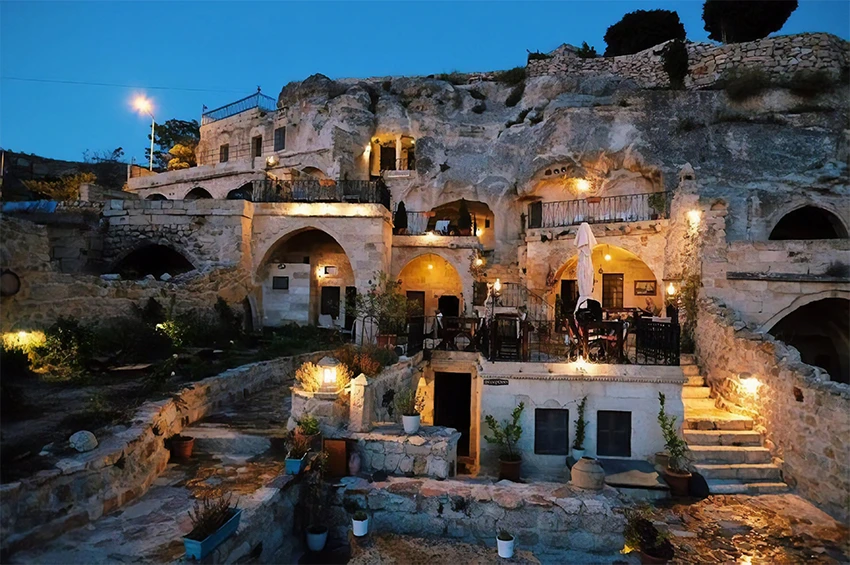
Unlike a purpose-built resort, Ürgüp developed as a working Anatolian town. Rock-cut storage spaces, traditional stone houses, old neighborhoods, modern shops, restaurants and hotels continue to exist within the same urban landscape.
The town is especially known for the houses surrounding Temenni Hill, its connection with Cappadocia's vineyards and wineries, and its proximity to the Three Beauties, Mustafapaşa, Gomeda Valley and Pancarlık Valley.
Ürgüp feels different from Göreme. It is less concentrated around one compact visitor center and has more of the everyday rhythm of a regional town. Banks, neighborhood bakeries, pharmacies, schools, restaurants, workshops and local businesses remain part of daily life alongside boutique hotels and travel services.
Ürgüp works best for visitors who expect to use a taxi, tour vehicle or rental car for many daytime routes. Unlike Göreme, it does not place several major valley entrances within one compact walking zone. In return, it offers a broader town environment and a more varied evening routine.
Before booking accommodation, check the exact position on the slope. Two hotels described as central may provide very different walking conditions. One may sit beside restaurants and shops, while another may require a steep climb through narrow historic streets.
Why Visit Ürgüp?
Ürgüp offers a different experience from the more compact tourism center of Göreme. Visitors still have access to Cappadocia's major attractions, but the town provides a broader local service center, traditional residential streets and a stronger evening atmosphere built around restaurants, cafés and wine houses.
- Historic architecture: Late Ottoman stone mansions, rock-cut rooms, courtyards and carved decorative details remain visible throughout the older neighborhoods.
- Local town atmosphere: Banks, pharmacies, shops, cafés and neighborhood businesses serve residents as well as visitors.
- Food and wine: Ürgüp is closely associated with Cappadocia's vineyards, rock-cut wine cellars and regional cuisine.
- Road access: The town is well positioned for routes toward Mustafapaşa, Ortahisar, Göreme, Avanos and the southern valleys.
- Accommodation variety: Visitors can choose between restored mansions, cave rooms, boutique hotels and modern properties.
- Nearby landscapes: The Three Beauties, Gomeda Valley, Üzengi Valley and Pancarlık Valley can all be included in an Ürgüp-based itinerary.
Ürgüp is particularly suitable for travelers who want to explore during the day and return to a town with a wider restaurant selection in the evening. It also works well for couples, families and visitors who prefer road access to walking directly into valleys from their hotel.
How Ürgüp's Layout Affects Your Stay
Ürgüp spreads across slopes rather than forming one flat and compact center. The commercial streets, old neighborhoods, mansion hotels and viewpoints sit at different elevations.
This layout matters when choosing a hotel. A property may be close to the center by map distance but still require a steep uphill walk. Travelers with large luggage, limited mobility or young children should ask whether a vehicle can reach the entrance.
The historic streets around Temenni Hill and Esbelli are rewarding to explore on foot, but stone paving and slopes can become tiring after a full day of touring. A hotel farther from the busiest streets may be quieter, while a central property may reduce the need for evening taxis.
Parking is another practical difference. Some restored mansions have limited vehicle access because the surrounding lanes were not designed for modern traffic. Confirm whether parking is private, roadside or located below the property.
For a short stay without a car, choose accommodation within comfortable walking distance of restaurants and a reliable pickup point. For a longer stay with a rental car, an outer neighborhood may provide easier parking and faster departures toward Mustafapaşa, Gomeda and Pancarlık.
History of Ürgüp
Ürgüp has carried several names during its long history. Sources use spellings such as Osiana or Assiana for the Byzantine period, while the town later became closely associated with Saint Procopius and was known as Hagios Prokopios or Prokopi.
During the Seljuk period, the settlement was known as Başhisar. Sources from the Ottoman period also record the name Burgut Kalesi. The modern name Ürgüp became established during the early years of the Turkish Republic.
The broader Cappadocia region contains evidence of settlement from much earlier periods, but the history of the present town needs to be understood through the remains that survive. Rock-cut tombs provide evidence of Roman-period activity, while the tradition of Saint Procopius reflects Ürgüp's Byzantine Christian identity.
More visible monuments survive from the Seljuk, Ottoman and late Ottoman periods. These include tomb structures, mosques, fountains, baths, rock-cut spaces and the stone mansions that continue to define the old town.
Ürgüp was never created during one single building period. Its present appearance is the result of older rock-cut spaces, later stone construction, repairs, changing neighborhoods and the continued reuse of buildings by different communities.
The sequence of historic names is repeated in regional sources, but spellings and period associations are not always presented consistently. It is safer to understand Osiana, Prokopi, Başhisar and Burgut Kalesi as evidence of changing political and religious identities rather than as a complete year-by-year chronology.
Visitors should also distinguish the history of Ürgüp town from the history of the wider district. Important churches, villages and valley settlements may administratively belong to Ürgüp while lying several kilometers from the modern center.
Muslim and Greek Orthodox Heritage
During the late Ottoman period, Ürgüp, then widely known as Prokopi, had Muslim and Greek Orthodox communities. Their houses, places of worship, workshops and commercial lives contributed to the architectural and cultural character of the town.
Following the compulsory population exchange agreed between Greece and Türkiye in 1923, the Greek Orthodox population left Prokopi. Many families settled in Greece and carried local religious traditions, memories and community identities with them.
The town's stone houses survived with different levels of preservation. Some remained residential buildings, some were abandoned, and others were eventually restored as hotels, restaurants or private properties.
Visitors may still encounter Greek inscriptions, painted decoration and carved symbols on historic buildings. These details should be viewed respectfully because many are surviving elements of private homes and a displaced community's cultural heritage.
Some restored mansions now appear polished and luxurious, but they were originally part of functioning neighborhoods. Courtyards, kitchens, stables, storage rooms and rock-cut cellars were designed for daily life rather than for hotel photography.
The surviving architectural record is uneven. A restored facade may preserve original carving while the interior has been substantially adapted, and a modest residential building may retain older rooms that are not visible from the street.
Many historic properties remain private homes. Photograph inscriptions and decorative details from public space, avoid looking through windows and do not enter courtyards without permission.
Traditional Ürgüp Architecture
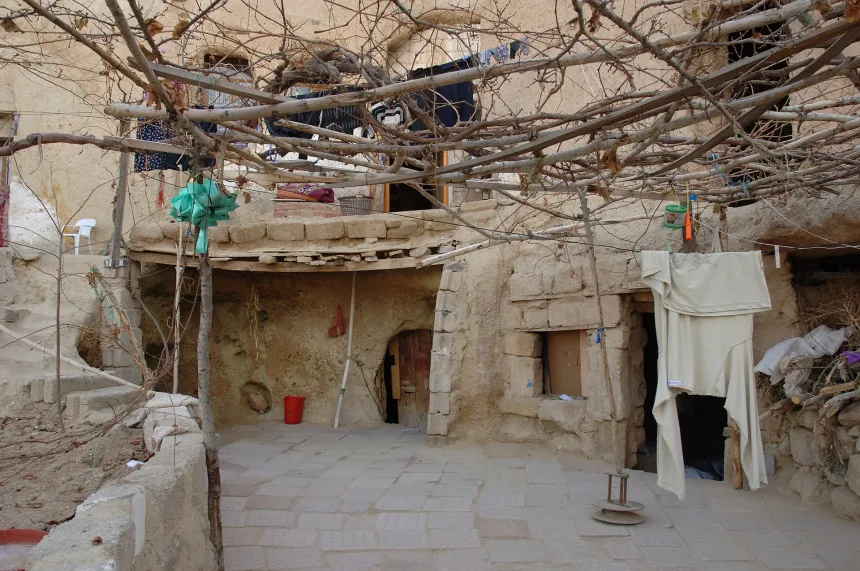
Ürgüp's traditional architecture developed through three related construction methods:
- Rock-cut spaces: Rooms were carved directly into suitable volcanic rock.
- Stone masonry buildings: Local stone blocks were shaped and assembled into houses, facades and courtyard walls.
- Mixed structures: A house could combine carved storage rooms at the rear with built stone rooms and terraces at the front.
Many historic properties follow the natural slope. Different levels may contain living rooms, kitchens, wine vats, storerooms, stables, ovens and outdoor terraces.
The pale local stone can be relatively soft when first cut and becomes more resistant after exposure. This made it suitable for carved facades, arches, window frames, rosettes and plant-inspired decoration.
Not every historic-looking property is an original cave dwelling. Some hotels combine restored rock-cut rooms with newly built stone sections. Travelers interested in architectural authenticity should ask which parts of a property are historic and which were added during restoration.
A newly constructed stone room is not automatically a poor choice. It may provide better ventilation, larger windows and more predictable temperature control. The important point is understanding what has actually been booked rather than assuming that every room shown with an arched doorway is an ancient cave.
Rock-cut and masonry sections also behave differently through the seasons. A deeply carved room may remain cool in summer but require careful ventilation and heating in winter. A stone-built room may receive more daylight but experience larger temperature changes.
Hotel photographs rarely explain air circulation, humidity or the distance between the room and the reception area. Ask directly about exterior windows, mechanical ventilation, heating, cooling and the number of stairs before reserving a cave or mansion room.
Best Things to Do in Ürgüp
1. Walk Through the Old Town
The best introduction to Ürgüp is a walk through its older streets. Look beyond the main commercial roads and explore the neighborhoods around Temenni Hill, Esbelli and the historic mansions.
Architectural details include carved doorways, projecting stone balconies, internal courtyards, decorative window frames and rooms extending into the rock behind the visible facade.
The town becomes more interesting when it is explored slowly. A narrow street that appears to end at a stone wall may continue around a courtyard, rise toward a terrace or reveal a rock-cut storage entrance behind a later house.
Some structures are unstable or privately owned. Do not enter abandoned buildings, cross closed gates or climb onto damaged terraces simply because a doorway is open.
A practical walking route begins in the commercial center, climbs toward Temenni Hill and continues through selected old streets before returning downhill. The route can be adjusted according to heat, rain and mobility rather than followed as a fixed circuit.
Look back regularly while climbing. The relationship between the stone houses, later urban development and the surrounding plateau often becomes clearer from small street openings than from one formal viewpoint.
Related Tours
Popular experiences for this destination
Wine Tasting Tour Cappadocia
Taste Cappadocia’s finest local wines in ancient vineyards and wine ho…
 Adventure
Trekking Tours Cappadocia
Hike Cappadocia’s spectacular valleys, fairy chimneys, and cave dwelli…
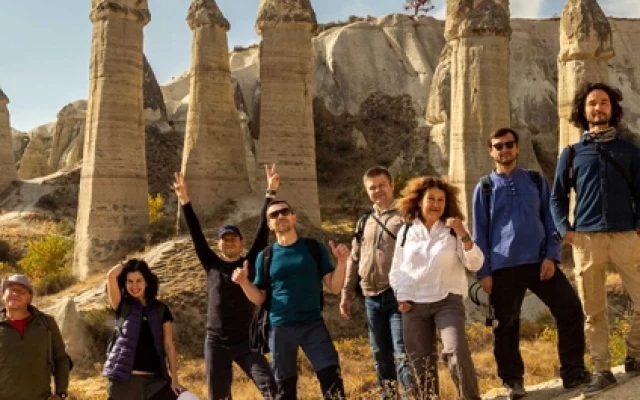
Vip Mix Tour Cappadocia
Experience the ultimate Cappadocia highlights in comfort-historic vall…
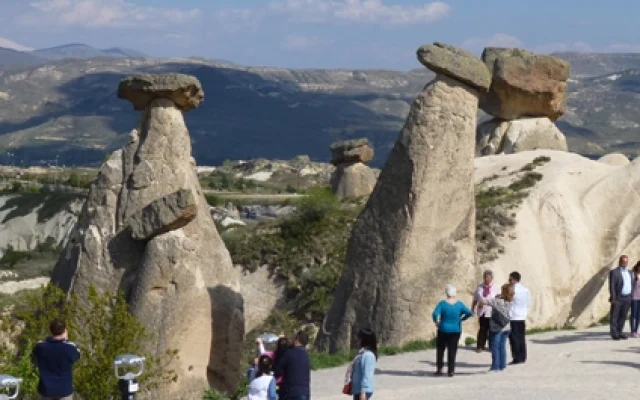 Red Tour
Red Tour Cappadocia
Discover Göreme Open-Air Museum, Avanos pottery workshops, and breatht…
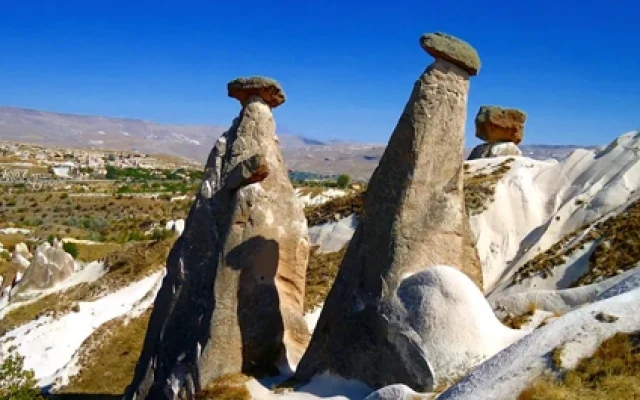 Blue Tour
Blue Tour Cappadocia
Explore hidden valleys, ancient churches, and cultural gems on Cappado…
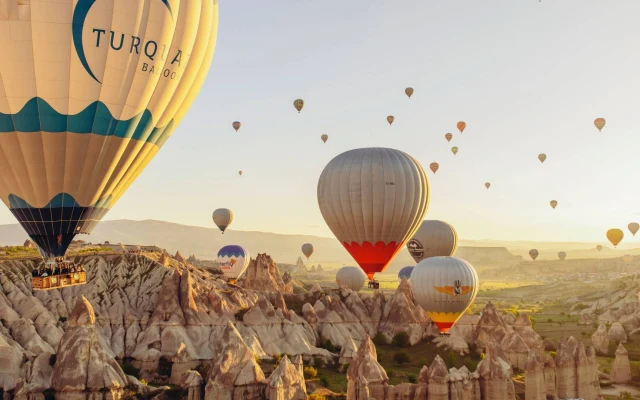 Balloon
Cappadocia Hot Air Balloon Tour
See Cappadocia from the air at sunrise on a professionally operated ho…
 Adventure
ATV Tour Cappadocia
Ride powerful ATVs through Cappadocia’s unique valleys, fairy chimneys…
 Green Tour
Green Tour Cappadocia
Explore Derinkuyu underground city, the beautiful Ihlara Valley, and S…
 Adventure
Horseback Riding Tour Cappadocia
Experience Cappadocia on horseback, riding through valleys, hidden tra…
Turkish Night Show Cappadocia
Enjoy a traditional Turkish dinner with live music, folk dances, and w…
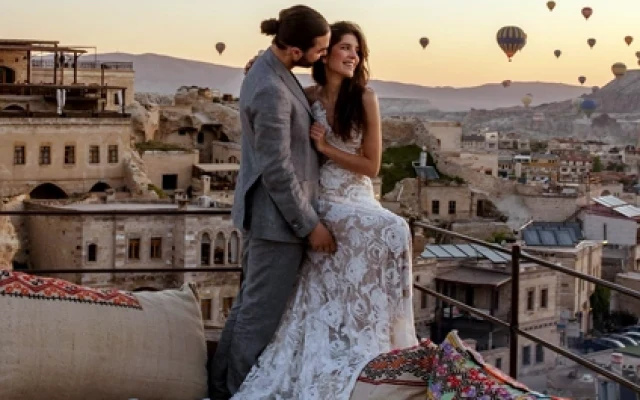
Professional Photo Shoot Cappadocia
Capture your Cappadocia moments with a guided professional photo shoot…

Airport Transfer Service Cappadocia
Travel comfortably and safely between Cappadocia’s airports and your h…
2. Visit Temenni Hill
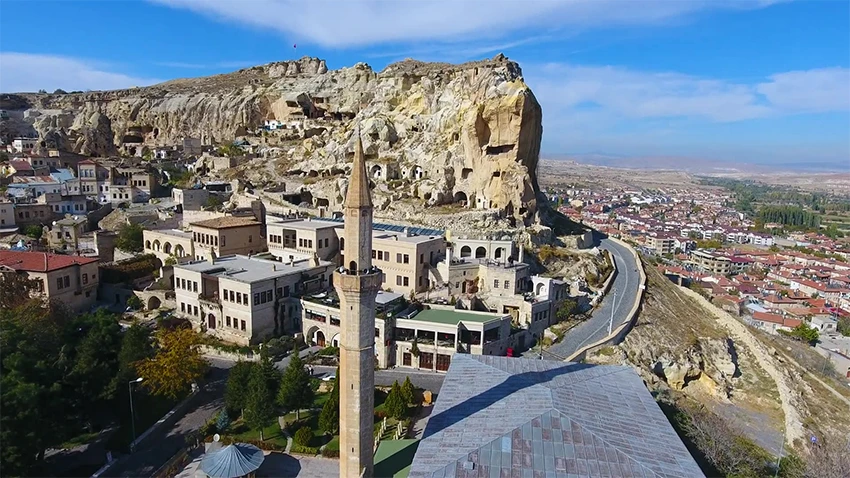
Temenni Hill rises from the center of Ürgüp and provides one of the town's most recognizable viewpoints. Its Turkish name is associated with wishes and hopes, and the hill has long carried religious and symbolic importance for local residents.
The upper area contains tomb structures traditionally connected with Seljuk figures. One is locally associated with Sultan Rukneddin Kılıçarslan IV, although the identification and construction date should not be presented as conclusively established.
From the hill, visitors can see Ürgüp's stone houses, newer neighborhoods and the surrounding plateau. Mount Erciyes may appear on the horizon when the weather is clear and atmospheric haze is limited.
The approach is short but noticeably steep. Stone paving, uphill streets and steps make the final section more tiring than it appears from the town center, particularly during summer.
Visitor tip: Do not rush back down immediately after taking the panorama photograph. Pause at the upper area, find a nearby tea or coffee stop if one is operating, and allow time to notice how the old houses follow the natural slope below the hill.
Surfaces can become slippery during rain, snow and freezing weather. The descent may place more pressure on the knees than the climb.
Allow around 30 to 45 minutes for the hill and surrounding streets, longer when stopping for photographs or a drink. The visit is easier before midday heat or during the later afternoon.
Temenni Hill is a town viewpoint, not a substitute for a broad valley panorama such as Uçhisar Castle. Its value comes from seeing Ürgüp's rooflines, slopes and neighborhood structure at close range.
3. See the Altıkapı Tomb
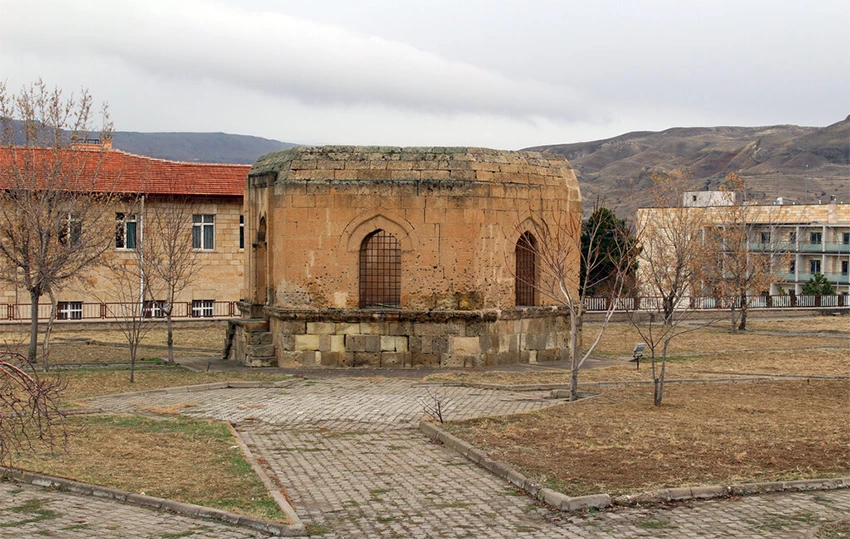
The Altıkapı Tomb, whose name means Six Gates, is one of Ürgüp's most visible Seljuk-era monuments. Its open-sided form and arched facades distinguish it from the surrounding urban buildings.
The monument is commonly dated to the 13th century. Local accounts connect it with a mother and two daughters, while other interpretations describe it more generally as the tomb of an important Seljuk figure or family.
Because the identities of the people buried there are not securely established, the monument is best understood through its architectural form rather than through one definitive legend.
It is an easy monument to pass quickly when traveling by car. Seeing it on foot provides a better sense of how Seljuk structures became integrated into the later town.
Do not judge the monument only by the length of the stop. Its open arches, compact plan and position within the modern town make it useful for understanding how older monuments survived inside later streets rather than inside an isolated archaeological site.
4. Visit Ürgüp Museum
Ürgüp has a small local museum containing archaeological and ethnographic material connected with the town and the wider Nevşehir region.
The museum is more modest than Cappadocia's major open-air museums and archaeological sites, but its collections can provide useful historical context before visiting nearby valleys, tombs and religious monuments.
Museum status, displayed collections, opening hours and admission arrangements can change. Check current local information before making it a fixed part of the day's route.
Do not build the entire morning around the museum unless its current status has been confirmed. It works best as a contextual stop combined with Temenni Hill, Altıkapı Tomb and the old streets.
5. Understand the Asmalı Konak Connection
The Turkish television series Asmalı Konak became closely associated with Ürgüp and Cappadocia during the early 2000s. Its stone mansions, courtyards and regional scenery introduced many domestic viewers to a side of Cappadocia that was different from the usual fairy chimney photographs.
The series helped strengthen interest in mansion accommodation, stone architecture and the cultural atmosphere of the region. This is why some local visitors still recognise streets and buildings through the story of the television series rather than through their architectural history.
Not every place promoted with the Asmalı Konak name is the original filming mansion. Some of the best-known mansion scenes are associated with the Old Greek House and locations around Mustafapaşa, outside central Ürgüp.
Visitor tip: Treat Asmalı Konak as part of the wider Ürgüp and Mustafapaşa cultural route rather than searching for one single attraction in the center. Access to privately managed filming locations and historic houses can change, so confirm the current situation before traveling specifically for a visit.
6. See Kadı Castle
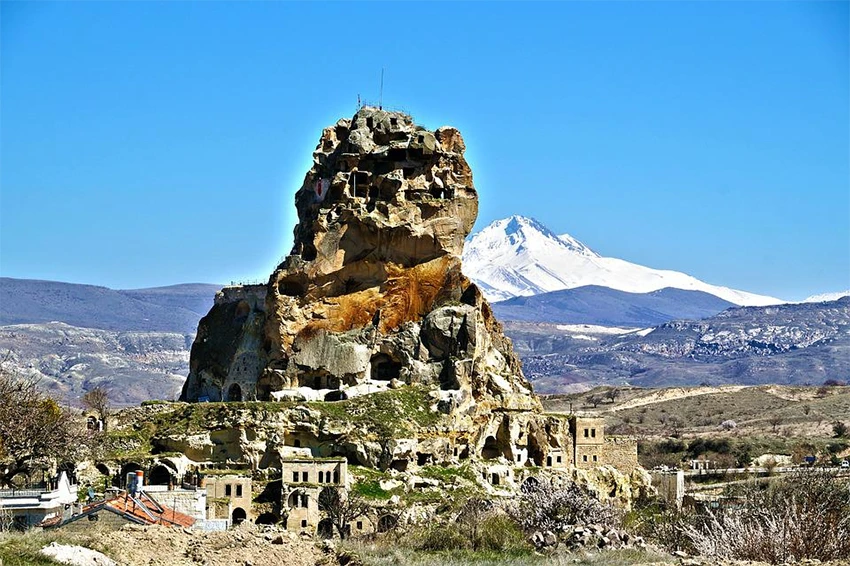
Kadı Castle is a prominent rock formation associated with the historic settlement landscape of Ürgüp. Like other elevated rock masses in Cappadocia, it was altered with carved spaces and used according to the practical needs of local communities.
Stories describe underground passages connecting the rock with distant parts of the settlement or the Damsa area. These accounts belong mainly to local tradition and should not be treated as confirmed archaeological evidence.
Access conditions around historic rock formations may change because of erosion and safety work. Follow local barriers and do not enter closed cavities.
Kadı Castle is often better understood as part of the townscape than as an interior attraction. View it from legal public positions and compare its carved openings with the houses and streets around it.
7. Photograph the Three Beauties
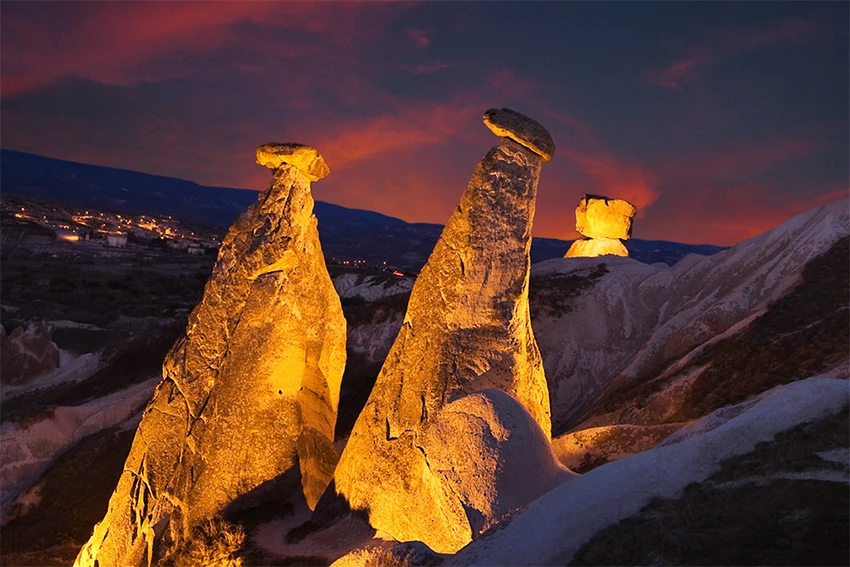
The Three Beauties, known locally as Üç Güzeller, are three capped fairy chimneys near Ürgüp. Their recognizable family-like composition has made them one of Cappadocia's strongest visual symbols.
A popular legend describes the formations as a princess, a shepherd and their child transformed into stone. The story belongs to local folklore, while the formations themselves developed through differential erosion of volcanic deposits.
The site is normally experienced as a viewpoint stop rather than a long walking route. Early morning and late afternoon usually provide softer light and clearer rock texture than midday.
The observation area can become crowded when tour vehicles arrive together. Waiting a few minutes after a large group leaves often produces a cleaner photograph without changing the route.
A normal stop takes around 20 to 30 minutes. The site can be combined with the old town or Mustafapaşa, but it should not replace a longer visit to Paşabağ or Zelve when the goal is to walk among several types of fairy chimneys.
8. Explore Gomeda and Üzengi Valleys
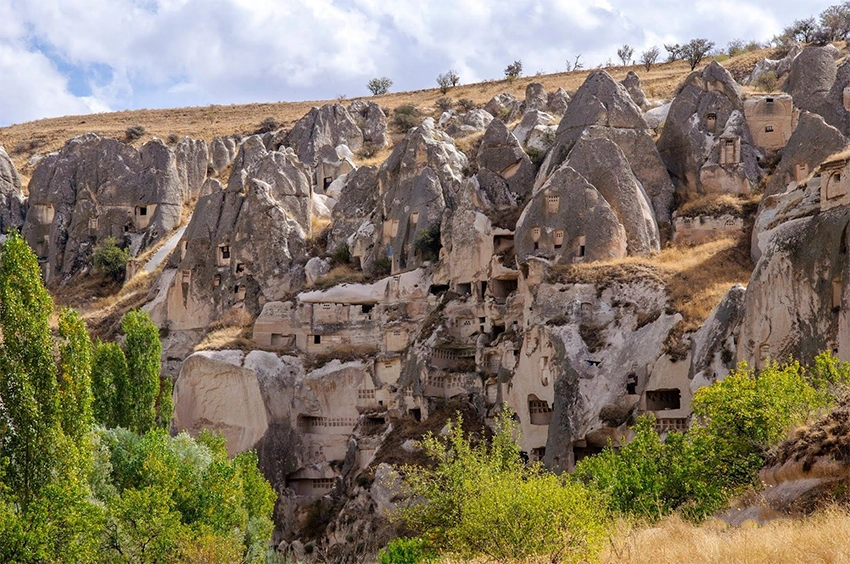
Gomeda Valley offers a quieter walking experience than several of Cappadocia's busiest central valleys. The route includes rock-cut spaces, churches, tunnels, agricultural land and sections following the valley floor.
Gomeda connects naturally with the Üzengi area, known for pigeon houses, springs and a broader valley landscape. Route conditions vary with rainfall, vegetation and maintenance.
Carry water, save an offline route and avoid entering narrow sections during heavy rain. The complete Gomeda and Üzengi route requires return transport planning because the finishing point may be far from the original entrance.
A guided Cappadocia trekking tour is useful for visitors who want historical interpretation or a longer combined route.
Gomeda should not be treated as a quick roadside viewpoint. Even a partial walk requires suitable shoes, water and a clear turnaround time. Mobile reception and path clarity may vary inside the valley.
9. Visit Pancarlık Valley and Üzümlü Church
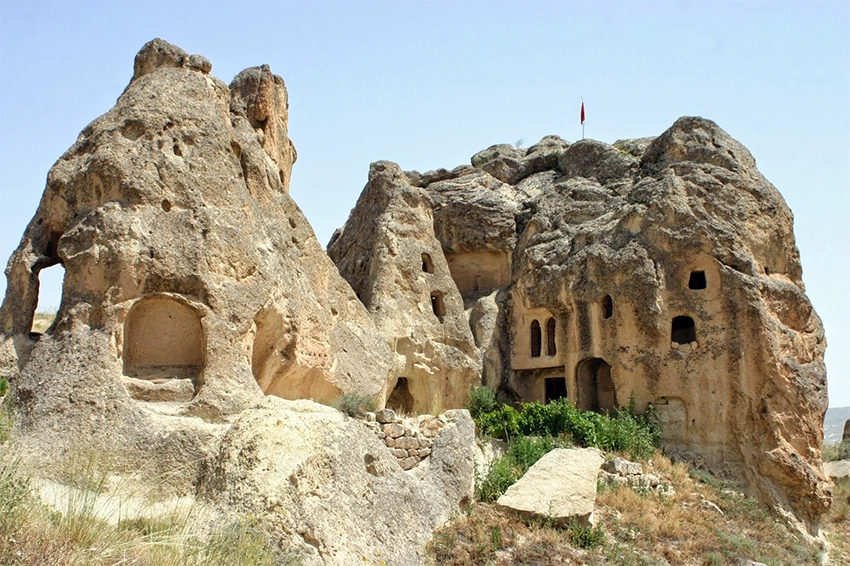
Pancarlık Valley lies south of the main central Cappadocia route and combines colored rock layers, agricultural land and rock-cut Christian monuments.
The Üzümlü Church is particularly known for painted decoration that includes grape and plant motifs. Its artistic style reflects a different approach from the richly painted narrative churches of Göreme Open-Air Museum.
Road and site access may be affected by weather or conservation work. Visitors should follow current signs, respect closed sections and avoid touching painted surfaces.
Pancarlık is most practical with a private vehicle, driver or tour because public transport does not operate like a frequent attraction shuttle. Confirm the return arrangement before beginning a longer walk.
10. Spend Half a Day in Mustafapaşa
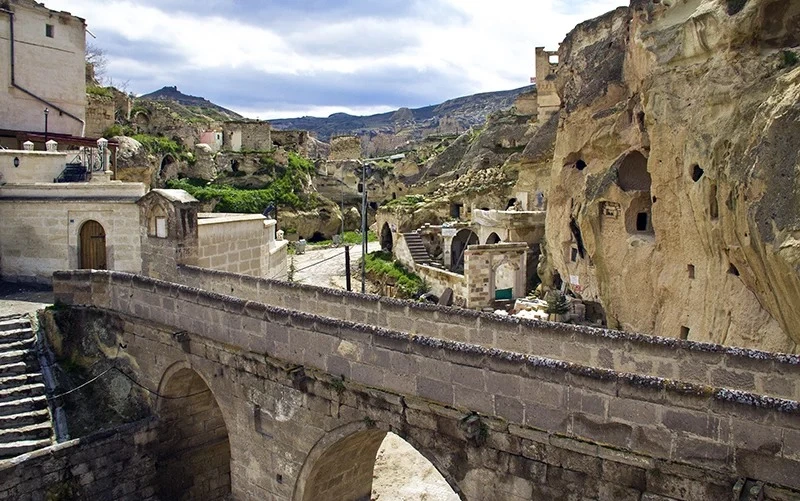
Mustafapaşa, historically known as Sinasos, is one of the most rewarding settlements near Ürgüp. The village contains monumental stone mansions, churches, courtyards and evidence of its former Greek Orthodox and Muslim communities.
Important landmarks include the Church of Saints Constantine and Helena, historic residential streets and nearby valley routes. The village deserves more than a brief photo stop, particularly for travelers interested in architecture, population history and shared cultural heritage.
Mustafapaşa, Gomeda Valley and Pancarlık Valley may be combined during a Cappadocia Blue Tour. Exact tour routes, walking distances and church visits vary between operators.
Do not reduce Mustafapaşa to an extension of Ürgüp. Its mansion architecture, former Greek Orthodox community and settlement history deserve separate attention. A half day provides a more realistic introduction than a brief vehicle stop.
Ürgüp Wine Culture
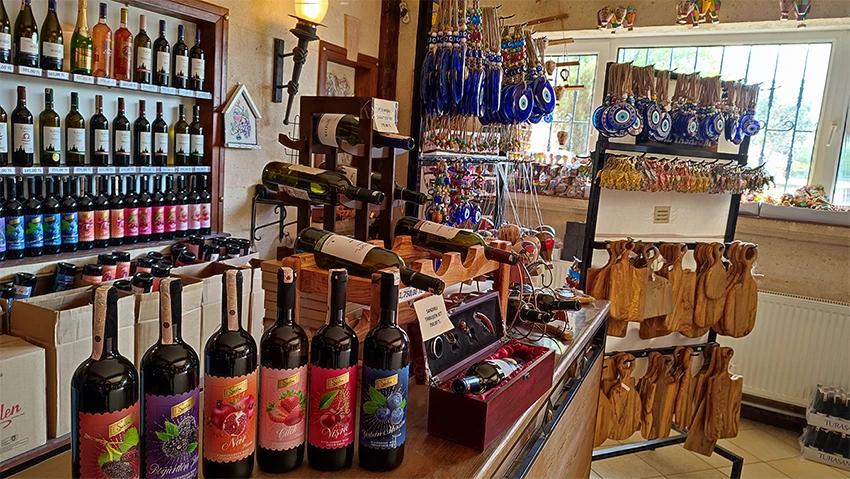
Grape growing and winemaking have long been part of Cappadocia's agricultural economy. Vineyards benefit from the region's dry conditions, elevation and volcanic soils, although the final quality and character of wine depend on grape variety, vineyard management and production methods as well as soil.
Rock-cut rooms provide naturally stable conditions for storing grapes and wine. Historic houses may contain carved vats, cellars and production spaces showing how viticulture was once integrated into domestic architecture.
Ürgüp offers both larger, established wine producers and smaller tasting spaces. Turasan is one of the best-known names associated with the town, while boutique cellars may provide quieter and more personal tasting experiences.
Wine tasting tip: A large cellar can be useful for seeing a wider range of bottles, but it may become crowded when tour groups arrive. Travelers interested in detailed explanations should ask whether the tasting is private, shared or organized as a short showroom visit.
Do not assume that entrance, tasting or cellar visits are always free. Policies, available wines, group arrangements and operating times can change.
Plan transportation before tasting. A taxi, private driver or organized tour is safer than driving after consuming alcohol, and it also avoids parking problems around busy tasting rooms.
Ask whether the visit includes a cellar explanation, a guided tasting or only a retail sample. These formats can feel very different even when the same number of wines is offered.
Visitors can explore the subject through the guide to Cappadocia wine tasting and underground cellars. The regional varieties guide also introduces Emir and Kalecik Karası grapes.
A Cappadocia wine tasting tour may include local production methods, regional grape varieties and cellar visits. Confirm the number of tastings, transportation and food pairings before booking.
Related Tours
Popular experiences for this destination
Wine Tasting Tour Cappadocia
Taste Cappadocia’s finest local wines in ancient vineyards and wine ho…
AdventureTrekking Tours Cappadocia
Hike Cappadocia’s spectacular valleys, fairy chimneys, and cave dwelli…
Vip Mix Tour Cappadocia
Experience the ultimate Cappadocia highlights in comfort-historic vall…
Red TourRed Tour Cappadocia
Discover Göreme Open-Air Museum, Avanos pottery workshops, and breatht…
Blue TourBlue Tour Cappadocia
Explore hidden valleys, ancient churches, and cultural gems on Cappado…
BalloonCappadocia Hot Air Balloon Tour
See Cappadocia from the air at sunrise on a professionally operated ho…
AdventureATV Tour Cappadocia
Ride powerful ATVs through Cappadocia’s unique valleys, fairy chimneys…
Green TourGreen Tour Cappadocia
Explore Derinkuyu underground city, the beautiful Ihlara Valley, and S…
AdventureHorseback Riding Tour Cappadocia
Experience Cappadocia on horseback, riding through valleys, hidden tra…
Turkish Night Show Cappadocia
Enjoy a traditional Turkish dinner with live music, folk dances, and w…
Professional Photo Shoot Cappadocia
Capture your Cappadocia moments with a guided professional photo shoot…
Airport Transfer Service Cappadocia
Travel comfortably and safely between Cappadocia’s airports and your h…
What to Eat in Ürgüp
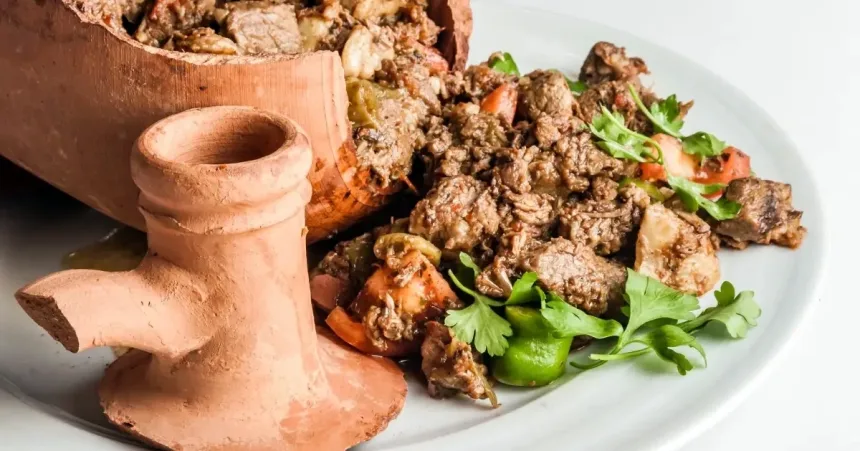
Ürgüp has a broad selection of restaurants serving regional dishes, Turkish classics and international food. The town is a strong evening dining base because restaurants are not limited to hotel terraces or lunch stops used by organized tours.
Testi Kebab
Testi kebab is prepared in a sealed clay vessel that is opened before serving. Recipes and presentation vary, and some restaurants require advance ordering because the dish needs sufficient cooking time.
A dramatic table presentation does not always mean that the dish was cooked slowly inside that exact vessel. Travelers interested in the traditional method can ask how far in advance the portion is prepared.
Tandır Kebab
Tandır kebab uses slow cooking to produce tender meat. The method is connected with traditional ovens and long cooking times rather than one fixed presentation used by every restaurant.
Regional Breakfast
A traditional Anatolian breakfast may include local cheeses, eggs, olives, preserves, bread, honey, tahini, grape molasses and seasonal produce.
Other Local Dishes
Menus may also include mantı, stuffed vegetables, soups, pottery-cooked beans, gözleme and grape-based products such as pekmez. Availability depends on the restaurant and season.
Evenings in Ürgüp
Ürgüp is a strong evening base because restaurants, wine houses, cafés and everyday town services remain active beyond the hotel zone. The atmosphere is more dispersed than Göreme, so the distance between a hotel and a chosen restaurant matters.
Some venues focus on regional food, while others offer modern Turkish or international menus. Wine tastings, live music and dinner shows may operate on specific nights rather than every evening.
Return transportation should be planned when staying outside the center. A route that feels manageable downhill before dinner may be uncomfortable uphill afterward, especially in winter or after rain.
For a cultural program, the Cappadocia Turkish Night show combines dinner and staged regional performances. Confirm pickup, menu, alcohol policy and the approximate return time before booking.
The center becomes busier during common dinner hours. Reserving a table is useful for popular restaurants, especially when requesting a terrace, courtyard or specific regional dish.
Restaurant terraces can be attractive, but evening wind and temperature changes are common. Request an indoor alternative when booking during spring, autumn or winter.
Travelers with limited time should avoid ordering several slow-cooked dishes without asking about preparation time. A relaxed dinner fits Ürgüp well, but it can conflict with an evening show or an early balloon pickup.
Where to Stay in Ürgüp
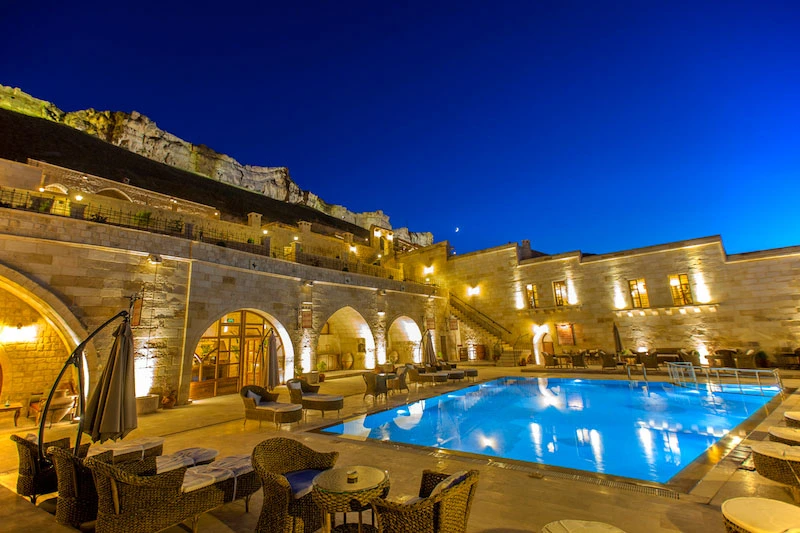
Ürgüp offers restored stone mansions, rock-cut rooms, small guesthouses and modern hotels. The best choice depends on whether you value views, historical character, parking, nightlife access or a quiet room.
Historic Stone Mansion
Stone mansion hotels often provide high ceilings, carved facades, courtyards and traditional room layouts. They may offer better natural ventilation than rooms carved completely into rock.
Ask whether the building is an original restored mansion, a reconstructed stone property or a combination of old and new sections. All three can offer a good stay, but they provide different architectural experiences.
Cave Room
A genuine cave room can provide strong atmosphere and stable interior temperatures. Ventilation, humidity and natural light, however, differ significantly between properties.
Travelers who are sensitive to moisture, enclosed rooms or earthy smells may be more comfortable in a stone-built room or a room combining rock-cut and constructed sections.
Central Town Hotel
Staying near the center provides easy access to restaurants, shops, taxis and evening activities. Street noise, limited parking and early commercial activity can be disadvantages.
Quiet Outer Neighborhood
Properties outside the busiest center may offer wider views, larger grounds and easier parking but require taxis or longer walks for evening dining.
Questions to Ask Before Booking
- Is the room fully carved, stone-built or a combination of both?
- Which parts of the property are historic and which are recent additions?
- Does the room have an exterior window and natural ventilation?
- How many stairs are required to reach the room?
- Can a vehicle reach the hotel entrance?
- Is heating or cooling provided for the travel season?
- Is the terrace private, shared or used mainly for breakfast?
- Are nearby restaurants and shops within comfortable walking distance?
- Does the room face a quiet courtyard, a public street or an active restaurant area?
Compare Ürgüp with other towns in the guide to where to stay and what to eat in Cappadocia.
Do not select a room only from wide-angle photographs. Request the exact room category, ask whether the displayed terrace belongs to that room and confirm whether the bathroom is carved, masonry-built or mechanically ventilated.
Travelers arriving late should ask how luggage reaches the property. Some historic hotels use stairs, sloping lanes or a separate luggage vehicle for the final approach.
Ürgüp or Göreme: Which Is Better?
Neither town is automatically better for every visitor. The stronger choice depends on how you plan to spend the mornings, evenings and travel time between attractions.
Choose Ürgüp If You Prefer
- Historic stone mansions and a larger town atmosphere
- A broad selection of restaurants and evening venues
- Wine houses and local commercial services
- Road access toward Mustafapaşa and the southern valleys
- A base that feels less concentrated around one tourism center
- Hotels with easier vehicle access or more conventional stone rooms
Choose Göreme If You Prefer
- Walking access to several major valleys
- A compact center focused heavily on visitor services
- Closer access to Göreme Open-Air Museum
- More sunrise terraces facing common balloon flight areas
- A wider concentration of daily tour and activity offices
- Easy participation in shared tours without arranging separate transport
Read the complete Göreme travel guide before choosing between the two towns. Travelers seeking panoramic views and a quieter luxury atmosphere can also consider Uçhisar Castle and Uçhisar village.
For stays of four nights or longer, splitting accommodation between towns is possible but not always efficient. Changing hotels uses sightseeing time and may complicate balloon pickups, airport transfers and luggage handling. Choose one base unless the change serves a clear purpose.
Can You See Hot-Air Balloons From Ürgüp?
Hot-air balloons can sometimes be seen from elevated hotels, Temenni Hill and open viewpoints around Ürgüp. The main concentration, however, is usually closer to Göreme, Çavuşin and the central flight areas.
Balloon routes change according to wind direction. A hotel advertisement showing balloons does not guarantee the same view, distance or background every morning.
Travelers booking primarily for balloon photography should ask which direction the terrace faces and whether the promotional photographs were taken from the room, a shared terrace or another part of the hotel.
Travelers planning to fly should schedule the activity for the first available morning of their stay. The Cappadocia hot-air balloon guide explains weather approval, cancellation risks and booking considerations.
When a balloon view is the main accommodation priority, ask the hotel for recent unedited photographs taken from the exact terrace or room category. A wide landscape photograph in a hotel gallery may have been taken from another level or on an unusual wind day.
Visitors who do not plan to fly can use a Cappadocia balloon watching tour to reach practical ground viewpoints without depending on an Ürgüp hotel terrace.
How to Get to Ürgüp
From Nevşehir Kapadokya Airport
Nevşehir Kapadokya Airport is generally the closer airport by road. Shared shuttles and private transfers should normally be reserved before arrival because departures are organized around flight schedules.
From Kayseri Airport
Kayseri Airport requires a longer road transfer but may offer a broader selection of domestic flights. Allow sufficient time when returning to the airport, particularly during winter or busy travel periods.
For an airport transfer to Cappadocia, provide passenger names, flight number, arrival date and complete Ürgüp hotel information.
By Intercity Bus
Some intercity buses serve Ürgüp directly, while others arrive at Nevşehir bus station. Confirm the final destination printed on the ticket and whether a local connection is required.
By Rental Car
A rental car is useful for Mustafapaşa, Gomeda, Pancarlık and more distant villages. Parking may be limited near old stone streets and central hotels.
Do not assume that every historic hotel entrance can be reached by a large vehicle. Some properties require guests to walk through narrow or sloping streets for the final section.
Use the guide to getting to and around Cappadocia to compare airport transfers, local transport, tours and rental cars.
Shared airport shuttles usually organize hotel drop-offs according to several passengers' accommodation locations. Arrival time at Ürgüp can therefore be longer than the direct driving time.
Provide the complete hotel name and flight number when reserving a transfer. Properties with similar names or multiple entrances can create delays, particularly in old neighborhoods.
For early departures, confirm the pickup location the previous evening. A large transfer vehicle may collect passengers from a nearby accessible road rather than directly from a narrow hotel entrance.
Best Time to Visit Ürgüp
Spring
April and May usually bring comfortable walking temperatures and greener valley floors. Rain and sudden weather changes remain possible.
A waterproof layer is useful for village walks, while recent rain can make Gomeda and other valley routes muddy or temporarily unsafe.
Summer
Summer days can be hot and dry. Plan outdoor sites for the morning or late afternoon and use the middle of the day for museums, lunch, shops or cellar visits.
Temenni Hill and exposed viewpoints provide limited shade, so carrying water is important even when the walk appears short.
Autumn
September and October are popular for walking, outdoor dining, vineyard visits and photography. Evening temperatures become cooler as autumn progresses.
This is a strong period for combining Ürgüp with regional food and wine experiences, but distinctive mansion hotels may fill early.
Winter
Snow gives Ürgüp's stone houses and surrounding valleys a dramatic appearance. Icy roads, slippery steps and balloon cancellations become more likely.
Historic stone and cave rooms can feel very different in winter, so confirm heating arrangements rather than relying only on photographs of fireplaces.
Winter daylight is shorter, and shaded streets may remain icy after main roads clear. Schedule steep walks and valley visits earlier in the day rather than leaving them for the final hour before sunset.
How Many Days Do You Need in Ürgüp?
Half Day
A half day is enough for Temenni Hill, the old town and the Three Beauties. This plan does not allow meaningful time for nearby villages, valleys or wine culture.
One Full Day
One day can include the old town, Temenni Hill, Altıkapı Tomb, a local lunch, the Three Beauties and a wine tasting or relaxed evening meal.
Two Days
On the second day, add Mustafapaşa and either Gomeda Valley or Pancarlık Valley. Two days provide a much stronger understanding of Ürgüp and its surroundings.
Three Nights as a Base
Three nights allow Ürgüp to function as a base for a balloon flight, a regional tour, nearby villages and relaxed evening dining. The 3-day Cappadocia itinerary can be adapted around an Ürgüp hotel.
Three nights also provide a second balloon opportunity if the first morning is canceled and later availability can be found.
Suggested One-Day Ürgüp Itinerary
- Morning: Begin with breakfast in the center and walk through the historic stone streets.
- Late morning: Visit Temenni Hill and see the tomb structures and town panorama.
- Midday: Stop at Altıkapı Tomb and visit Ürgüp Museum if it is open.
- Lunch: Choose a local restaurant serving regional dishes.
- Afternoon: Visit Mustafapaşa or take a shorter walk in Gomeda Valley.
- Late afternoon: Photograph the Three Beauties in softer light.
- Evening: Return to Ürgüp for dinner, a wine tasting or a Cappadocia Turkish Night show.
This itinerary should not be treated as a race. A full Gomeda and Üzengi hike cannot be comfortably inserted into the same afternoon as Mustafapaşa, the Three Beauties and a detailed wine tasting.
Choose either Mustafapaşa or a valley walk for the main afternoon activity. Mustafapaşa suits architecture and cultural history, while Gomeda suits travelers prepared for uneven terrain and return transport planning.
When sunset photography is important, leave the afternoon activity early enough to reach the Three Beauties before tour traffic peaks. Sunset times and road conditions vary by season.
Travelers who want to focus on Mustafapaşa, southern villages and cultural sites can choose the Cappadocia Blue Tour. Couples, families and private groups needing a more flexible route can use the Private Cappadocia Mix Tour.
Common Ürgüp Planning Mistakes
- Choosing a hotel by map distance alone: A short distance can still involve a steep climb or several stairways.
- Expecting a guaranteed balloon view: Wind direction and terrace orientation change what can be seen.
- Planning Gomeda as a quick stop: The valley needs walking time, water and a return strategy.
- Assuming every cave room has the same conditions: Ventilation, humidity, daylight and access differ by property.
- Following old opening hours: Museum, monument and filming-location access can change.
- Combining too many southern sites: Mustafapaşa, Pancarlık, Gomeda and Üzengi cannot all be explored properly in one short afternoon.
- Driving after wine tasting: Arrange a taxi, driver or tour before the tasting begins.
A realistic Ürgüp plan leaves time for the town itself. Using the hotel only as a sleeping base misses the old streets, dining culture and architectural transition between carved rock and stone construction.
Practical Tips for Ürgüp
- Wear shoes with reliable grip on stone streets, Temenni Hill and valley paths.
- Do not enter abandoned mansions or unmarked rock-cut spaces.
- Carry cash for small businesses, villages and local transport.
- Reserve airport transfers before the flight date.
- Confirm museum and monument access locally before traveling.
- Do not rely on old online ticket prices or opening hours.
- Book distinctive mansion and cave rooms early during busy periods.
- Ask whether a hotel room is fully carved, stone-built or a combination.
- Use offline maps in Gomeda, Üzengi and Pancarlık valleys.
- Avoid narrow valley routes during heavy rain and thunderstorms.
- Confirm the return transport before finishing a one-way valley walk.
- Check current drone restrictions before flying near settlements or protected sites.
- Do not assume that every Asmalı Konak sign identifies an original filming location.
- Confirm tasting fees and arrangements before visiting a winery with a large group.
Frequently Asked Questions About Ürgüp
Is Ürgüp a good place to stay in Cappadocia?
Yes. Ürgüp is a strong base for travelers who prefer stone mansions, restaurants, local services, wine culture and road access to nearby villages and valleys.
How many days do you need in Ürgüp?
One full day covers the central highlights and the Three Beauties. Two days allow time for Mustafapaşa, Gomeda Valley or Pancarlık Valley.
Is Ürgüp better than Göreme?
Ürgüp is better suited to travelers seeking a larger town atmosphere, stone architecture and evening dining. Göreme is more convenient for walking access to several central valleys and Göreme Open-Air Museum.
Can you see hot-air balloons from Ürgüp?
Balloons may be visible from elevated locations when the wind brings them toward Ürgüp. The view is less predictable than from the main flight areas around Göreme and Çavuşin.
Do you need a car in Ürgüp?
A car is not necessary for exploring the town center, but it is useful for Mustafapaşa, Gomeda, Pancarlık and more distant attractions. Tours, taxis and private drivers are alternatives.
What is Ürgüp famous for?
Ürgüp is famous for historic stone mansions, Temenni Hill, the Three Beauties, cave and boutique hotels, regional cuisine and Cappadocia's wine culture.
Is Ürgüp walkable?
The center can be explored on foot, but slopes, stone paving and stairs may be difficult for some visitors. Nearby valleys and villages require separate transport or longer planned walks.
Is the Asmalı Konak mansion in Ürgüp?
The television series is strongly associated with Ürgüp and Cappadocia, but important mansion scenes were also filmed around Mustafapaşa. Visitors should confirm the exact filming location they intend to see rather than following the first Asmalı Konak sign.
Can you visit a winery in Ürgüp?
Yes. Ürgüp has established producers, tasting spaces and rock-cut cellars. Tasting formats, prices, available wines and opening arrangements vary between businesses.
What is the best time to visit Ürgüp?
Spring and autumn generally provide the most comfortable conditions for walking and outdoor sightseeing. Summer is hot, while winter may bring snow and icy surfaces.
Is Ürgüp suitable for families?
Yes, especially for families who value restaurants, pharmacies, shops and vehicle access. Hotel stairs, steep streets and cave-room ventilation should be checked before booking with young children.
Can you explore Ürgüp without joining a tour?
The town center, Temenni Hill and historic streets can be explored independently. A tour, taxi or rental car becomes more useful for Mustafapaşa, Pancarlık, Gomeda and attractions farther across Cappadocia.
Is Ürgüp lively at night?
Ürgüp has an active evening dining scene with restaurants, cafés and wine houses, but it is not a late-night party center. Activity varies by season and by the location of the hotel.
How Ürgüp Fits Into a Cappadocia Itinerary
Ürgüp brings together parts of Cappadocia that are sometimes separated in shorter itineraries. It is a historic settlement, a modern service center, a base for valley routes and one of the strongest places to experience regional food and wine.
Its identity is not based on one monument. The value of Ürgüp comes from the relationship between rock-cut spaces, late Ottoman mansions, Seljuk monuments, vineyards, local businesses and the communities that have shaped the town over time.
The old name Prokopi, the Muslim and Greek Orthodox heritage, the population exchange, the mansion culture and the continued use of stone architecture give the town a historical depth that is easy to miss during a quick vehicle stop.
Ürgüp is most rewarding when visitors stay long enough to experience both sides of the town: the monuments, valleys and viewpoints during the day, followed by its restaurants, wine houses and local streets in the evening.
Use the Cappadocia trip planning guide to combine Ürgüp with Göreme, Uçhisar, Avanos, underground cities and the region's major valleys.
For most first-time visitors, two or three nights provide the best balance. This gives enough time for the town, one regional route and a second balloon opportunity without forcing every nearby valley into the same day.