Göreme
Göreme Cappadocia Travel Guide: Where to Stay, What to Do and Practical Tips
Göreme is the most practical base in Cappadocia for many first-time visitors. Its compact center places cave hotels, restaurants, sunrise balloon viewpoints, valley trails and the Göreme Open-Air Museum within a short distance of one another.
Two full sightseeing days cover the main highlights. Three days create a better balance between rock-cut history, valley walks, balloon experiences and regional tours, while also leaving more room for weather-related changes.
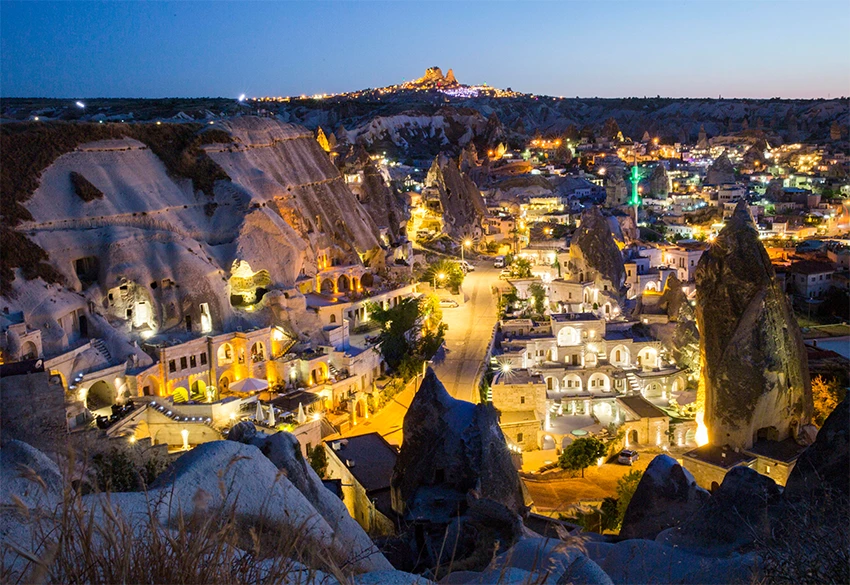
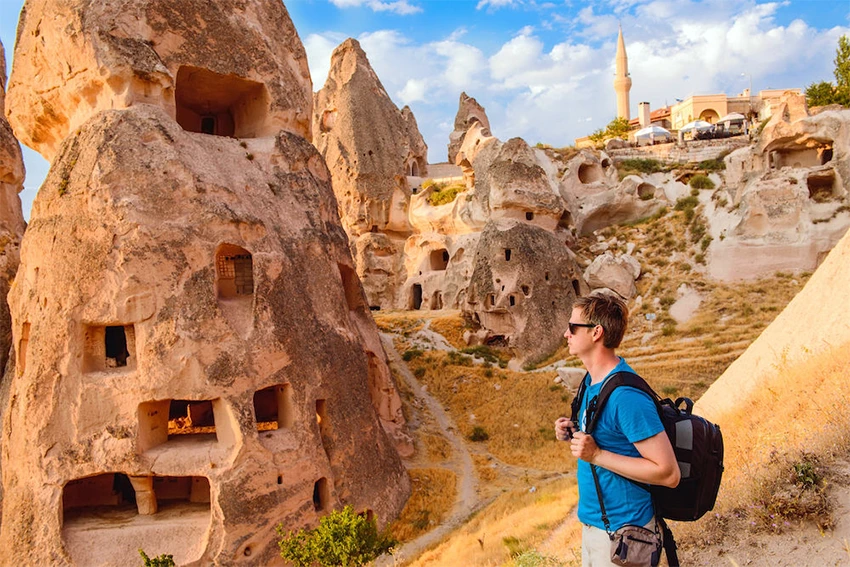
Set among the eroded valleys and rock formations of central Cappadocia, Göreme is both a practical travel base and a living settlement. Volcanic geology, agriculture, rock-cut architecture, Christian monastic history and modern tourism remain visible within the same compact landscape.
A day in Göreme may begin beneath hot-air balloons, continue on foot into a nearby valley and end inside a church painted centuries ago. The town also gives travelers the chance to stay in rooms carved partly or entirely into volcanic rock.
Why Stay in Göreme, Cappadocia?
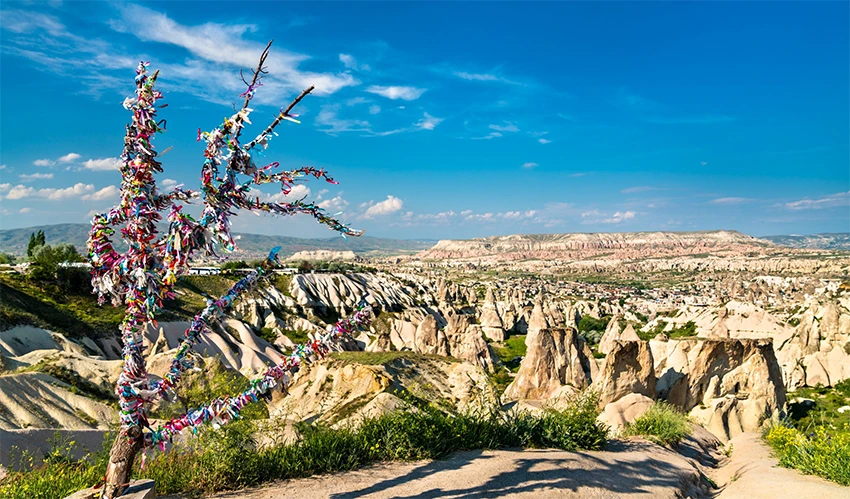
Göreme works well for travelers who want to limit daily transfers between towns. Hotels, restaurants, cafés, tour agencies and transport services are concentrated in a compact center, and several viewpoints and walking routes begin close to the town itself.
- Central location: Göreme sits between major destinations including Uçhisar, Çavuşin, Avanos, Paşabağ and Ürgüp.
- Wide accommodation choice: The town offers guesthouses, traditional stone hotels, fully carved cave rooms and panoramic terrace hotels.
- Easy access to activities: Balloon flights, ground-based balloon watching tours, daily regional tours, ATV rides and trekking programs commonly include hotel pickup in Göreme.
- Walkable center: Restaurants, shops, the bus station, viewpoints and everyday services are concentrated within a relatively small area.
- Sunrise access: Göreme has several terraces and ridges from which balloons may be visible on approved flight mornings.
Travelers seeking a quieter atmosphere may prefer the outer slopes, Ortahisar or neighboring Uçhisar. Those who want restaurants, tours and evening activity within walking distance will usually find central Göreme more convenient.
Göreme is compact, but it is not flat. Hotels with the widest terraces are often located above the center, so a panoramic room may also mean a steep walk home after dinner. Ask about road access and stairs before booking if luggage, young children or limited mobility are concerns.
Göreme and the UNESCO World Heritage Site
Göreme lies within a protected cultural and natural landscape. In 1985, the area was inscribed on the UNESCO World Heritage List under the official name Göreme National Park and the Rock Sites of Cappadocia.
The World Heritage property is not limited to Göreme town or the open-air museum. It includes the wider Göreme landscape, several rock sites, Soğanlı and the underground cities of Kaymaklı and Derinkuyu.
The property was inscribed under criteria (i), (iii), (v) and (vii). These criteria reflect the quality of post-Iconoclastic Byzantine art, evidence of earlier settlements, long-term human adaptation to the volcanic landscape and the natural formations created by erosion.
Göreme is best understood as one part of this wider cultural and geological environment, not as an isolated town surrounded by separate tourist attractions.
This wider view also explains why responsible behavior matters. Rock-cut rooms, church walls, pigeon houses and exposed formations are not replaceable surfaces; climbing, scratching or entering closed cavities can cause damage and create a serious safety risk.
How the Göreme Landscape Was Formed
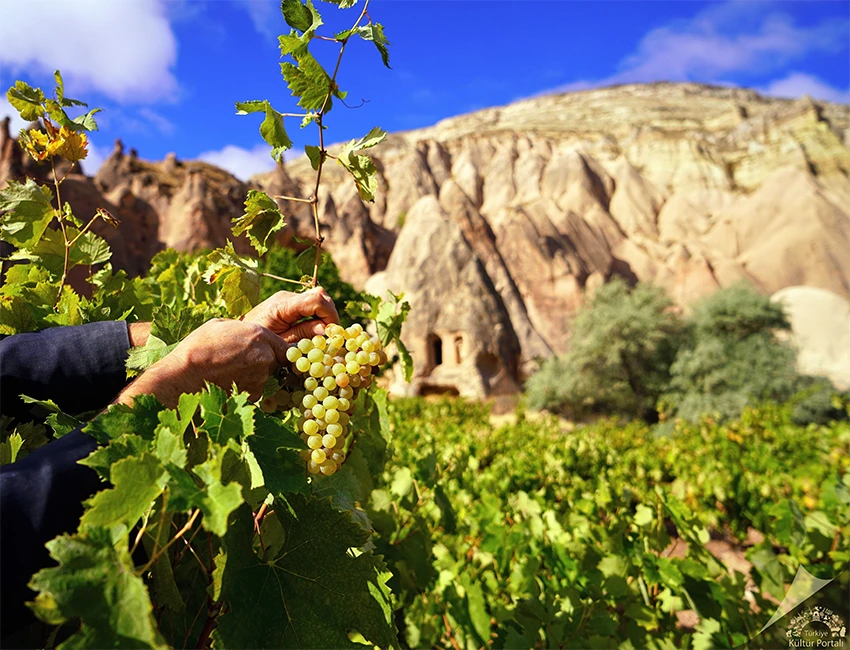
The valleys around Göreme developed from volcanic material deposited across central Cappadocia. Volcanic systems associated with Mount Erciyes, Mount Hasan and Mount Göllü produced ash, pumice and other material that consolidated into layers of tuff and ignimbrite.
Rainfall, surface water, temperature changes, gravity and wind gradually wore away the weaker sections. More resistant rock remained as ridges, cones, pillars and the formations commonly called fairy chimneys.
The layers did not erode at the same rate. Differences in hardness, thickness, fractures and slope help explain why pointed cones, capped pillars, broad rock walls and narrow channels appear within a relatively small area.
The detailed guide to the formation of Cappadocia's fairy chimneys explains the volcanic deposits, fractures and erosion processes in greater depth.
The same rock was workable enough to carve with hand tools. Homes, storerooms, stables, grape-processing spaces, pigeon houses, chapels and monasteries were formed by removing material from the rock rather than building every wall from the ground up.
Not every formation develops into a classic capped chimney. The shape depends on the rock unit, the protective material above it and the direction of erosion. Around Göreme, this produces isolated pillars in some areas and dense walls or clusters in others, even when the viewpoints are only a short drive apart.
History of Göreme and Its Rock-Cut Churches
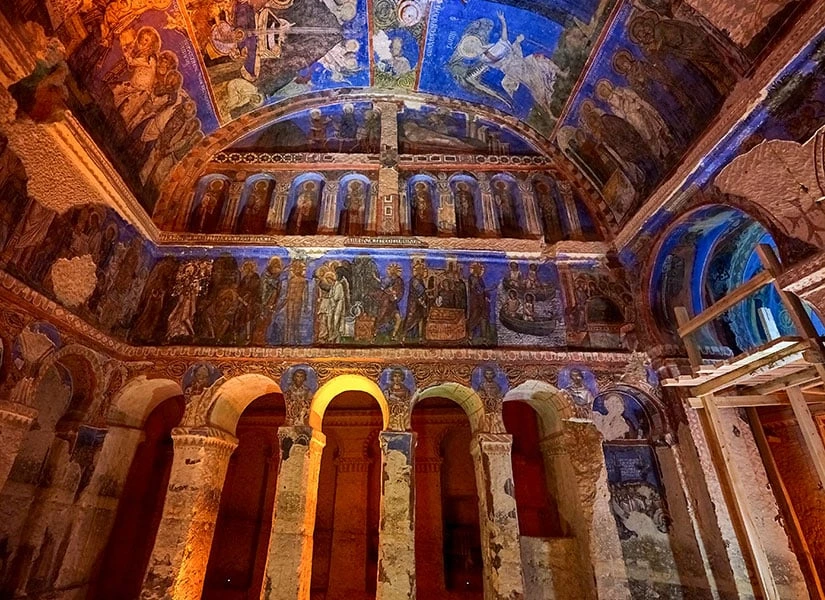
Many communities lived across Cappadocia over a long historical period. Göreme became particularly significant for Christian religious life during Late Antiquity and the Byzantine era.
Related Tours
Popular experiences for this destination
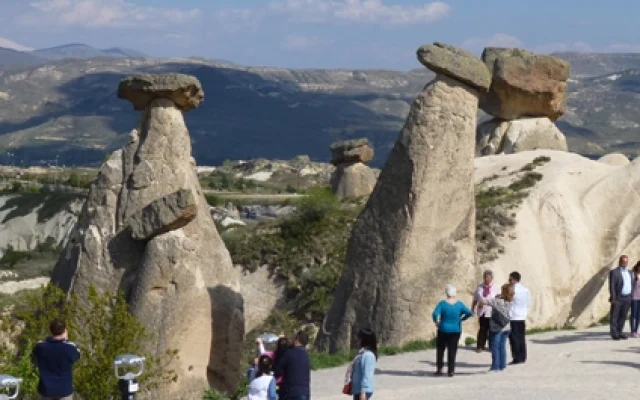 Red Tour
Red Tour Cappadocia
Discover Göreme Open-Air Museum, Avanos pottery workshops, and breatht…
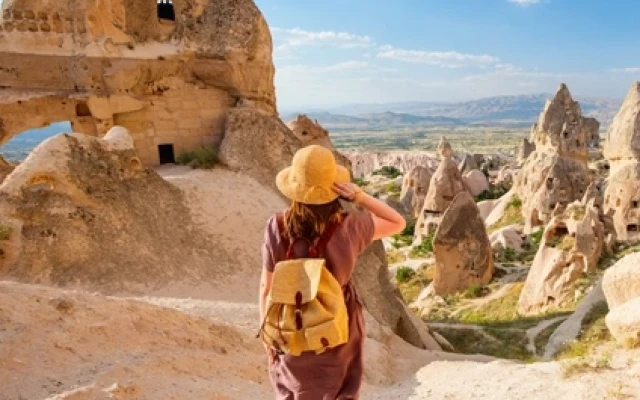 Adventure
Trekking Tours Cappadocia
Hike Cappadocia’s spectacular valleys, fairy chimneys, and cave dwelli…
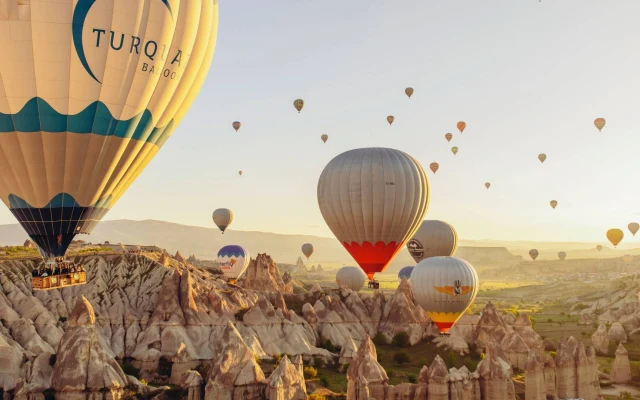 Balloon
Cappadocia Hot Air Balloon Tour
See Cappadocia from the air at sunrise on a professionally operated ho…
 Balloon
Balloon Watching Tour Cappadocia
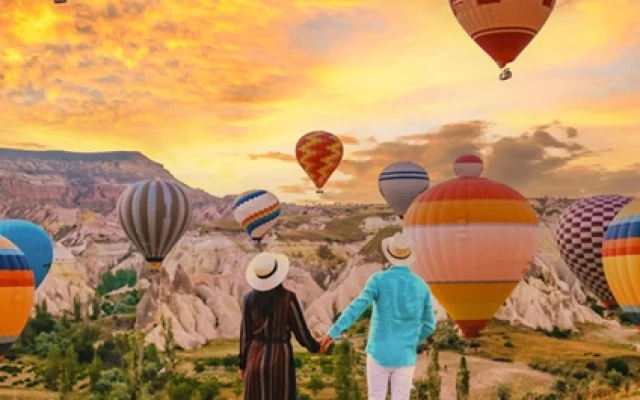
Watch the magical sight of hundreds of hot air balloons rising at sunr…
 Adventure
ATV Tour Cappadocia
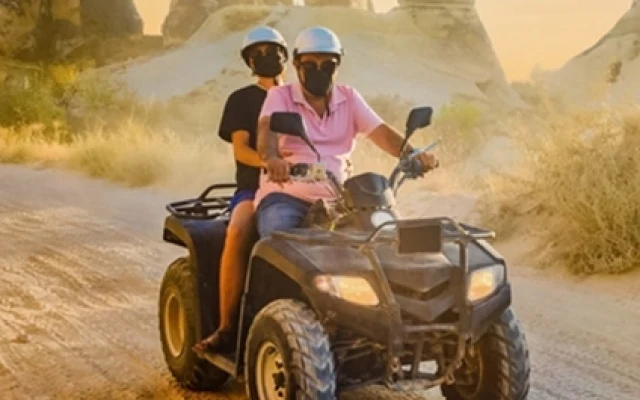
Ride powerful ATVs through Cappadocia’s unique valleys, fairy chimneys…
 Adventure
Horseback Riding Tour Cappadocia
Experience Cappadocia on horseback, riding through valleys, hidden tra…

Pottery Workshop Cappadocia
Learn the ancient art of pottery from Avanos masters, try shaping clay…
Vip Mix Tour Cappadocia
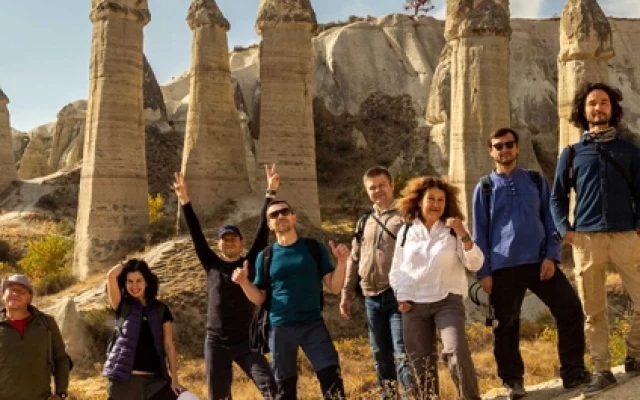
Experience the ultimate Cappadocia highlights in comfort-historic vall…
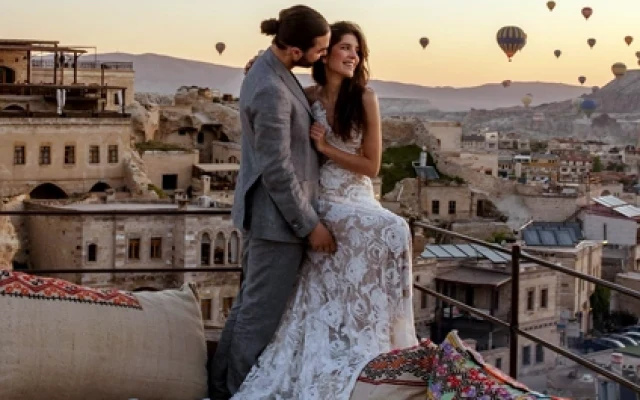
Professional Photo Shoot Cappadocia
Capture your Cappadocia moments with a guided professional photo shoot…

Airport Transfer Service Cappadocia
Travel comfortably and safely between Cappadocia’s airports and your h…

Cappadocia Rent A Car
Explore Cappadocia freely at your own pace with flexible car rental op…

Classic Car Tour Cappadocia
Step into nostalgia with a vintage classic car ride through Cappadocia…
The earliest signs of monastic activity in Cappadocia are generally associated with the 4th century. Small religious communities used rock-cut cells for prayer and communal life, following traditions linked with Basil the Great, Bishop of Caesarea.
During the Byzantine Iconoclastic period, generally dated from 725 to 842, decoration in many sanctuaries was limited mainly to crosses, geometric forms and other symbolic designs.
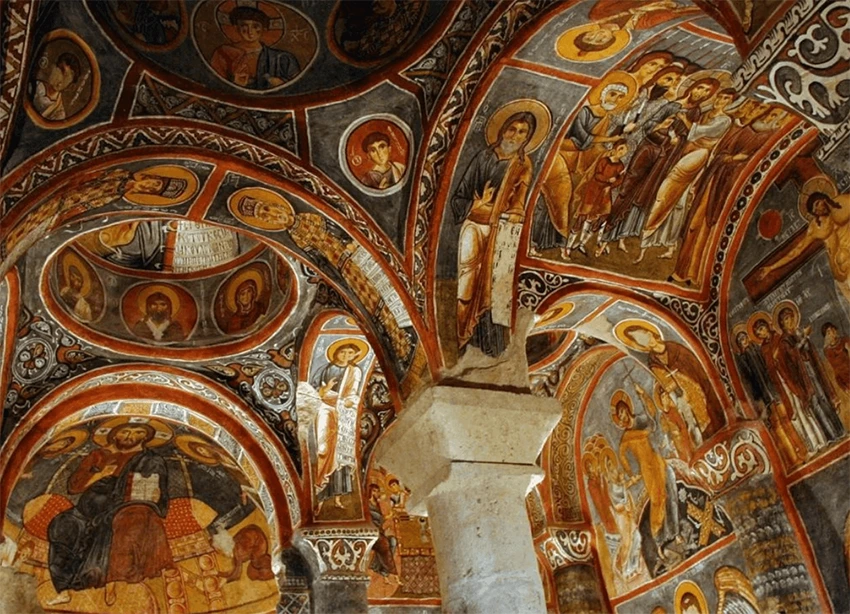
After 842, figurative painting became far more prominent. Church interiors were decorated with images of Christ, the Virgin Mary, apostles, prophets and saints, together with narrative scenes from the Bible.
The churches were neither carved nor painted in a single period. Their plans, painting techniques and iconographic programs represent several centuries of religious and artistic development.
The wider historical setting is explained in the guide to Christianity in Cappadocia.
Inside the churches, look beyond individual figures. The placement of scenes, the division of walls into painted zones and the relationship between the apse, nave and burial areas reveal how each space was used. A professional guide is most helpful when connecting these details rather than simply naming the saints.
Best Things to Do in Göreme
1. Visit Göreme Open-Air Museum
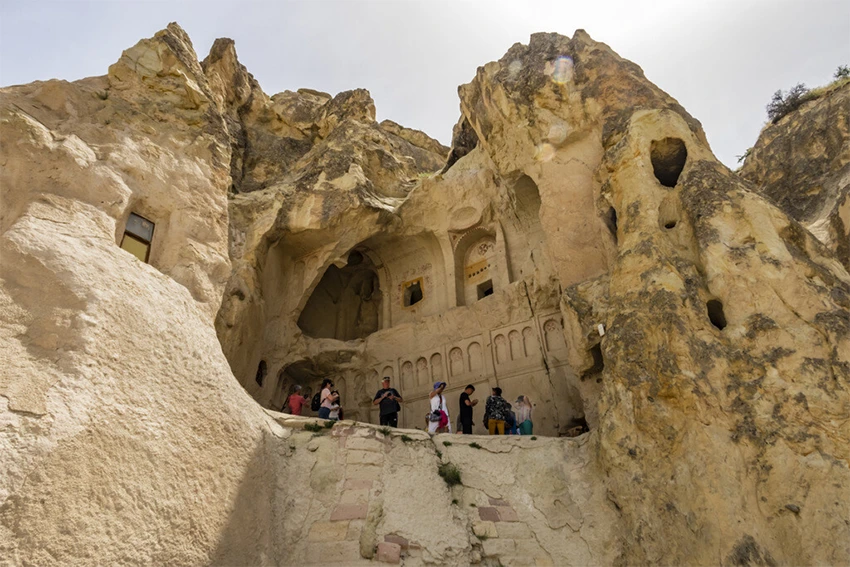
The Göreme Open-Air Museum contains the main concentration of rock-cut religious monuments near town. Churches, chapels, monastic spaces, dining rooms, storerooms and burial areas occupy a compact section of the volcanic landscape.
Key monuments include Tokalı Church, Dark Church and the group known as the Elmalı, Yılanlı and Çarıklı Churches. Differences in layout, color, technique and subject matter reveal that the complex developed across several artistic periods.
The museum becomes busiest around the middle of the day. Arriving early usually means cooler conditions, shorter waits at narrow church entrances and more time to examine the paintings without blocking the route.
Dark Church may require a separate ticket. Check the current arrangement at the main ticket desk before beginning the route rather than waiting until you reach the church.
Tokalı Church stands outside the main enclosed museum circuit and is easy to miss. Keep your entrance ticket and visit it before leaving the museum area.
The route includes uneven stone surfaces, steps and low entrances. Opening hours, restoration closures, photography restrictions and ticket arrangements can also change, so follow the current signs at the entrance and inside each church.
Allow enough time to pause inside the main churches instead of treating the museum as a quick photo stop. Travelers with limited mobility should ask about the current route before entering, because some interiors are reached by steep steps and narrow passages that cannot be avoided easily.
2. Watch the Hot-Air Balloons at Sunrise
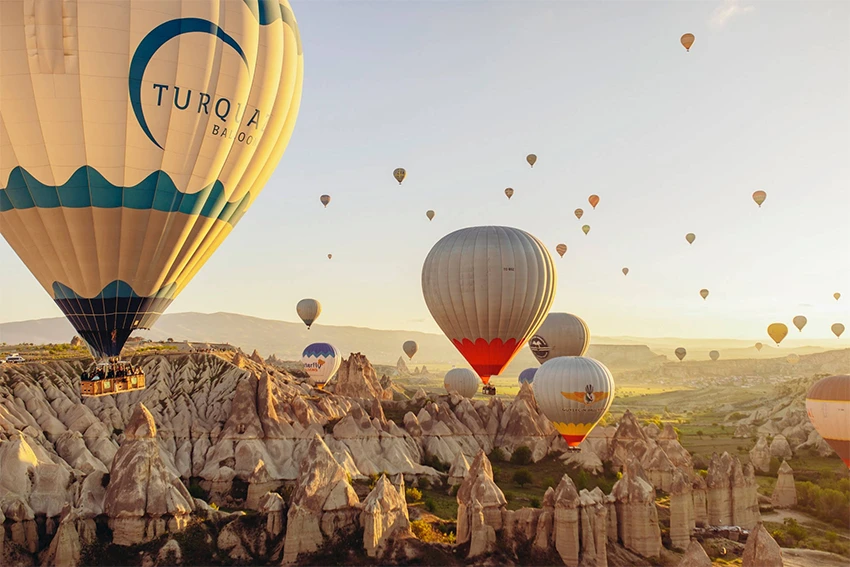
Göreme is a practical base for experiencing Cappadocia's sunrise balloon landscape. On approved mornings, balloons launch from different points around the valleys and rise above the rock formations as the first light reaches the town.
Balloon operations depend on aviation approval and weather conditions. A clear sky does not guarantee a flight because wind speed and direction at several altitudes also affect the decision.
Travelers planning to fly should book the first available morning of their stay. If weather cancels that flight, a later morning may provide another chance, although new space is never guaranteed.
Before booking, read the Cappadocia hot-air balloon guide and compare basket capacity, flight category, hotel transfer and cancellation conditions.
Travelers who prefer to remain on the ground can choose a balloon watching tour. Those ready to fly can review the standard Cappadocia balloon flight.
Keep the rest of the morning flexible. Pickup begins well before sunrise, and the complete hotel-to-hotel experience takes longer than the time spent in the air. Avoid placing a fixed early museum appointment immediately after the flight unless the timing has been confirmed.
Planning tip: A hotel described as having a balloon terrace does not necessarily face the nearest flight path. Takeoff areas and flight directions change with the wind, so no property can promise the same balloon background every morning.
3. Walk to Göreme Sunset Point
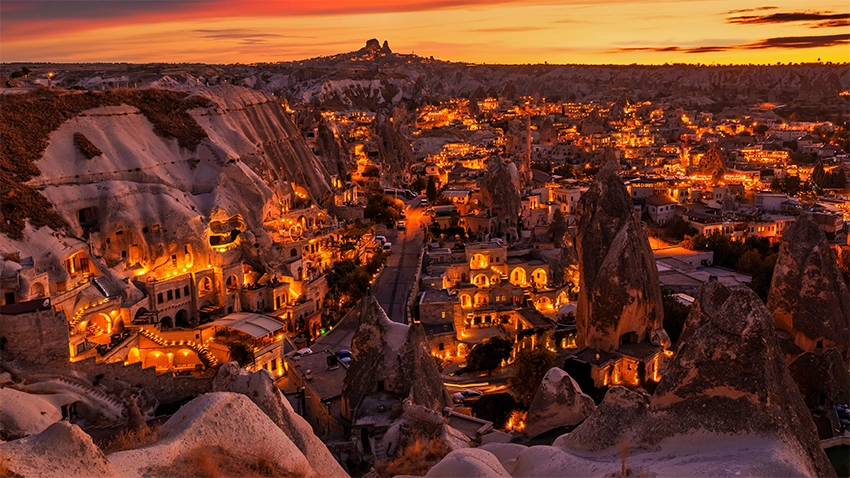
Göreme Sunset Point, commonly called Lovers' Hill and locally associated with the Aydın Kırağı ridge, rises directly above the town center. It is an easy panoramic viewpoint to reach without a vehicle.
The ridge attracts visitors at both sunrise and sunset. On balloon mornings, aircraft may move across different sections of the landscape. In the evening, lower light makes the layered form of the town, surrounding ridges and fairy chimneys easier to read.
A small access charge may be collected at the main entrance, and carrying some cash is useful. The arrangement can change, so check the information displayed at the gate.
The central platform becomes very busy during peak-season sunsets. A quieter view may be available farther along the recognized ridge path, away from the main gathering point, provided you remain on safe and clearly used ground.
Do not move onto unstable edges simply to avoid the crowd. The surface is dusty and uneven, and it can become slippery after rain or snow. Carry a small light when arriving before sunrise or returning after dark.
The viewpoint is close to town, but the final approach is uphill. Comfortable shoes are more useful than formal footwear, especially when the ridge is crowded and people are moving in both directions.
4. Hike Through the Valleys Around Göreme
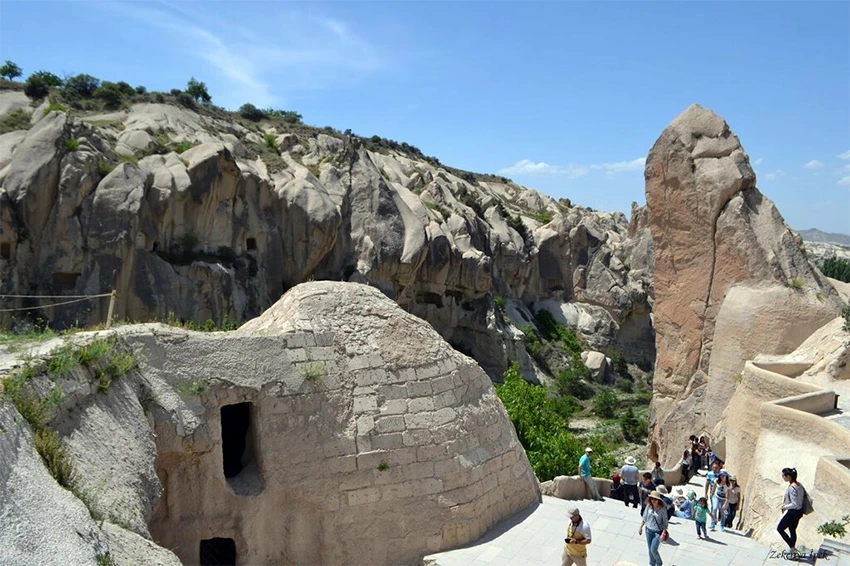
Göreme is surrounded by connected valleys, but they do not function as one formal urban park. Paths branch, unofficial tracks appear and route markings may disappear near agricultural land or eroded sections.
- Zemi Valley: A greener, relatively sheltered route with rock passages, orchards and connections toward the open-air museum landscape.
- Rose and Red Valleys: A network of trails with colored rock layers, cave churches and several possible sunset routes.
- Love Valley: Known for tall pillar-shaped formations, with an upper panorama and a separate lower walking route.
- Pigeon Valley: A historic walking route toward Uçhisar, with numerous pigeon houses cut into the valley walls.
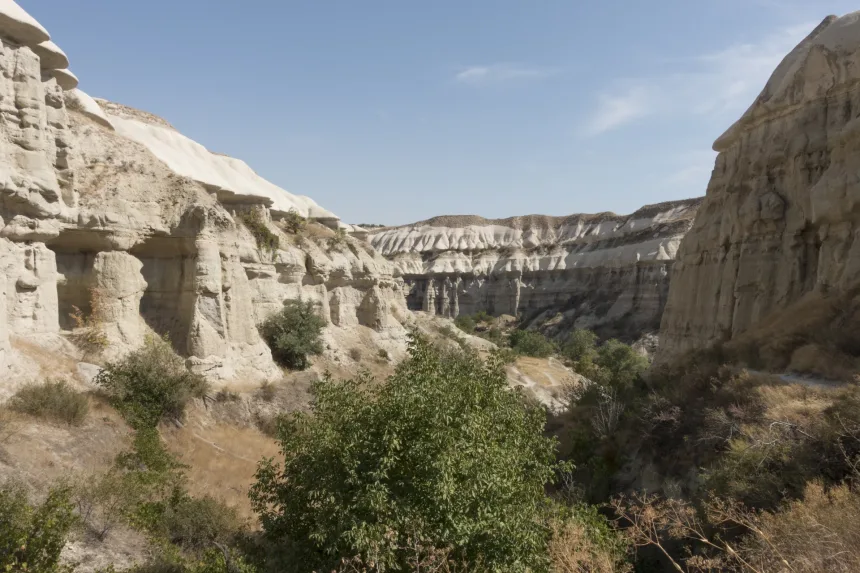
Download an offline route before leaving town. Standard road navigation can become unreliable inside deeper valleys, where mobile reception and mapped paths are limited. Saved hiking tracks are useful, but never follow them into closed, unstable or visibly unsafe areas.
Confirm the exact entrance and exit instead of searching only by the valley name. An upper viewpoint, lower trail and finishing road may be several kilometers apart.
Farms and grazing areas remain active around some routes. Hikers may encounter livestock guardian dogs protecting sheep, fields or rural properties. Do not run, shout or approach the animals; keep a calm distance, move slowly and stay with your group.
Independent walking is reasonable on established routes in stable weather. A guided Cappadocia trekking tour is more useful for unfamiliar paths, longer crossings or travelers who want historical and geological interpretation along the way.
Start longer hikes with sufficient water and daylight rather than relying on a café or taxi at the far end. Valley exits may reach a quiet road with no waiting vehicle, and a route that feels easy downhill can become demanding when the return involves the same slope in reverse.
Related Tours
Popular experiences for this destination
Red TourRed Tour Cappadocia
Discover Göreme Open-Air Museum, Avanos pottery workshops, and breatht…
AdventureTrekking Tours Cappadocia
Hike Cappadocia’s spectacular valleys, fairy chimneys, and cave dwelli…
BalloonCappadocia Hot Air Balloon Tour
See Cappadocia from the air at sunrise on a professionally operated ho…
BalloonBalloon Watching Tour Cappadocia
Watch the magical sight of hundreds of hot air balloons rising at sunr…
AdventureATV Tour Cappadocia
Ride powerful ATVs through Cappadocia’s unique valleys, fairy chimneys…
AdventureHorseback Riding Tour Cappadocia
Experience Cappadocia on horseback, riding through valleys, hidden tra…
Pottery Workshop Cappadocia
Learn the ancient art of pottery from Avanos masters, try shaping clay…
Vip Mix Tour Cappadocia
Experience the ultimate Cappadocia highlights in comfort-historic vall…
Professional Photo Shoot Cappadocia
Capture your Cappadocia moments with a guided professional photo shoot…
Airport Transfer Service Cappadocia
Travel comfortably and safely between Cappadocia’s airports and your h…
Cappadocia Rent A Car
Explore Cappadocia freely at your own pace with flexible car rental op…
Classic Car Tour Cappadocia
Step into nostalgia with a vintage classic car ride through Cappadocia…
5. Explore Nearby Cappadocia Attractions
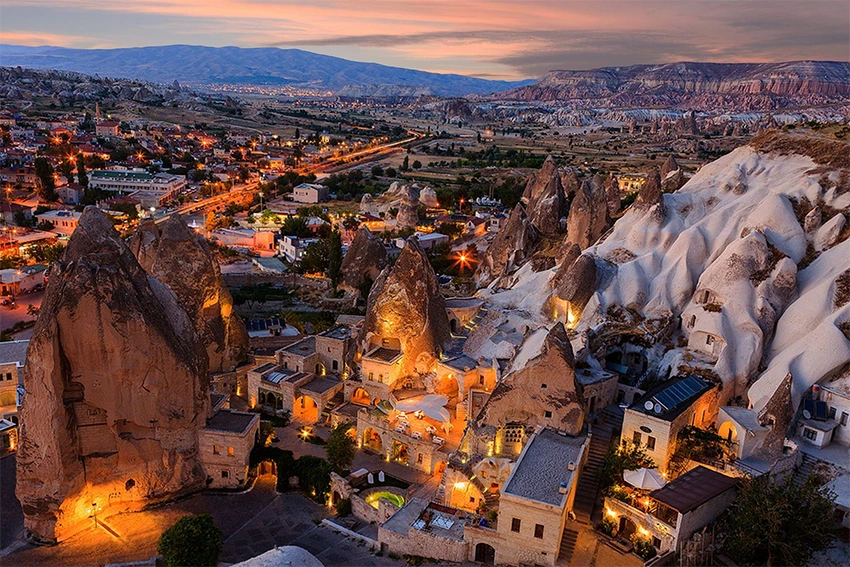
Several major Cappadocia attractions can be combined with Göreme in a half-day or full-day route:
- Uçhisar Castle: A high rock citadel with broad views across central Cappadocia.
- Çavuşin: A historic settlement with abandoned rock houses, churches and access to nearby valley routes.
- Paşabağ Monks Valley: Known for closely grouped capped and multi-headed fairy chimneys.
- Zelve Valley and Open-Air Museum: A former rock-cut settlement with dwellings, churches, passages and shared spaces spread through several valley branches.
- Avanos: A riverside town associated with traditional pottery, ceramic workshops, museums and the Kızılırmak River.
- Ürgüp: A larger town with restaurants, historic stone houses, wine culture and nearby viewpoints.
The Cappadocia Red Tour generally concentrates on central and northern attractions. The Cappadocia Green Tour travels farther south toward an underground city, Ihlara Valley and Selime.
Exact routes, museum admissions, lunch arrangements and group sizes vary between operators. Check the written inclusions rather than choosing only by the tour color.
A private route is useful when the group needs a slower pace, fewer stairs or more time for photography. A shared tour is often more economical, but the sequence and time at each stop are less flexible. The better choice depends on mobility, interests and the number of full days available.
Where to Stay in Göreme
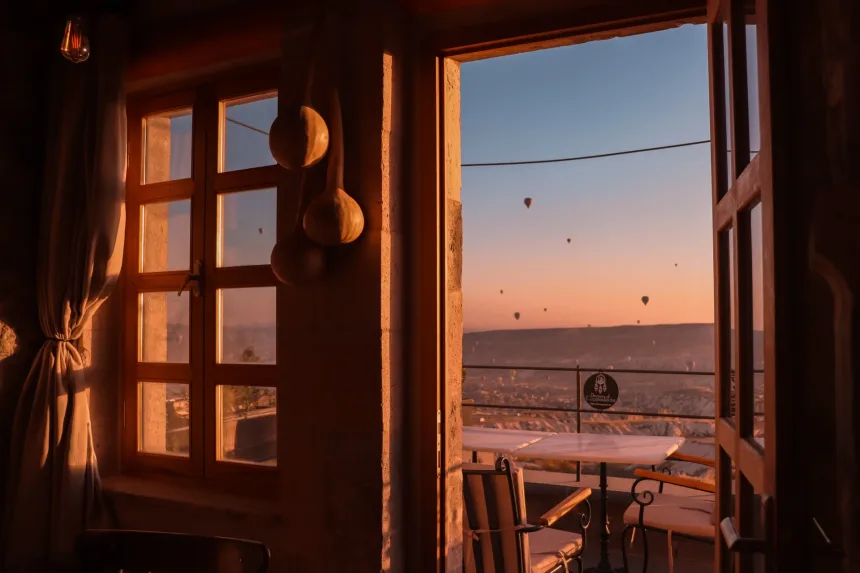
Göreme has a broad selection of locally operated accommodation. The right part of town and room type often matter more than choosing the hotel that appears most frequently in photographs.
Central Göreme
The center is convenient for restaurants, the bus station, shops and tour pickups. It suits travelers without a car and guests who prefer to limit steep walks.
Rooms in the center may experience more street noise, early vehicle movement and evening activity, particularly during busy travel periods.
Upper Slopes and Panoramic Terraces
Hotels on the upper slopes often provide wider views and better-positioned sunrise terraces. The trade-off is a steeper walk from the center.
Guests carrying large luggage, traveling with children or managing limited mobility should ask whether a vehicle reaches the entrance and how many stairs separate the room, reception and breakfast terrace.
Quieter Outer Areas
Properties outside the busiest streets may provide larger rooms, easier parking and a calmer atmosphere. They can be less convenient for evening dining or independent transport, so check hotel shuttle and taxi arrangements in advance.
What to Check Before Booking a Cave Room
The phrase cave hotel describes several different types of accommodation. Some rooms are carved almost entirely into rock, while others combine a rock-cut section with traditional stone construction.
- Ask whether the room has an exterior window and natural ventilation.
- Check how many stairs are required to reach the room and breakfast terrace.
- Request a stone-built room rather than a fully carved room if you are sensitive to humidity, low light or enclosed spaces.
- Confirm the heating and cooling arrangement for your travel season.
- Ask whether vehicles can reach the hotel entrance.
- Check whether the terrace is private or shared.
- Do not choose a room only from a balloon photograph taken somewhere else on the property.
Fully carved rooms can be quiet and closely connected to the region's architecture, but they may also feel cooler, darker or more humid. Stone-built rooms often retain a Cappadocian appearance while providing more conventional windows and ventilation.
Room names are not standardized across hotels. A “cave suite” at one property may be almost fully carved, while another may use the same label for a stone room attached to a small cave section. Recent room-specific photographs and a direct description are more reliable than the category name alone.
More accommodation and dining advice is available in the guide to where to stay and what to eat in Cappadocia.
How Many Days Do You Need in Göreme?
Count full sightseeing days rather than hotel nights. A late arrival and an early departure may leave much less usable time than a two-night booking suggests.
One Day
With one full day, visit Göreme Open-Air Museum in the morning, explore the town or a nearby viewpoint in the afternoon and finish at the sunset ridge.
A carefully planned one-day Cappadocia itinerary is essential because the region's major attractions are spread across different towns and valleys.
Two Days
Two days allow time for a balloon flight or sunrise viewpoint, Göreme Open-Air Museum, one main valley experience and a regional route.
This is the minimum comfortable length for many first-time visitors. The two-day Cappadocia itinerary shows how to coordinate early mornings with full-day routes more efficiently.
Three Days
Three days provide more flexibility when balloon flights are canceled. The museum, valleys, an underground city, Avanos or Ürgüp and one sunset activity can be combined without making every day feel rushed.
The three-day Cappadocia itinerary is the most flexible option for a first visit.
How to Get to Göreme
From Nevşehir Kapadokya Airport
Nevşehir Kapadokya Airport is generally the closer airport for reaching Göreme. Shared shuttles and private transfers are arranged around scheduled flight arrivals.
Advance booking is important because airport transport does not operate like a frequent city bus. Shared vehicles may wait for passengers from the same flight and make several hotel stops before reaching your property.
From Kayseri Erkilet Airport
Depending on the season and airline schedule, Kayseri Airport may provide more flight-time options. The journey to Göreme is longer than the transfer from Nevşehir Airport, so allow sufficient time before the return flight.
For either airport, provide passenger names, the flight number, arrival date and complete hotel information when arranging a Cappadocia airport transfer.
For the return journey, confirm whether the pickup time is based on the scheduled departure or a later flight update. Winter weather, holiday traffic and multiple hotel pickups can lengthen the journey, so the transfer should not be planned as tightly as a short city-airport ride.
By Intercity Bus
Intercity buses reach Göreme from several Turkish cities. Some services arrive directly at Göreme bus station, while others terminate in Nevşehir and require a local connection.
Confirm the final station before purchasing the ticket. A service advertised for Cappadocia does not necessarily terminate in Göreme.
Getting Around Göreme and Cappadocia
Central Göreme is easy to explore on foot. Reaching distant valleys, underground cities and neighboring towns requires more planning.
- Walking: Practical for the town center, Sunset Point and selected nearby trails.
- Daily tours: Useful for combining several distant attractions in one day.
- Private tours: Suitable for flexible timing, families, photography and mobility needs.
- Rental cars: Helpful for independent routes, although parking can be limited at popular sites during busy hours.
- Local minibuses: Useful between selected towns during daytime, but they do not enter every valley or stop at every monument.
Transport tip: Dolmuş services are useful during the day, but evening departures may end earlier than expected and schedules vary by route and season. Before having dinner in Avanos, Ürgüp or another town, confirm the final return service or plan for a taxi.
Public transport is not suitable for balloon pickup hours. Flights, balloon watching programs and organized sunrise activities normally rely on prearranged hotel transfers.
Use the detailed guide to getting to and around Cappadocia when comparing airport transfers, local minibuses, daily tours and rental cars.
For a short stay, combining walking in Göreme with one organized regional day usually saves more time than trying to connect every attraction by minibus. Travelers staying longer can use a rental car or private route to explore smaller settlements at a slower pace.
Best Time to Visit Göreme
Spring
April and May generally bring comfortable walking conditions and greener valley floors. Rain and rapid temperature changes remain possible, so carry a light waterproof layer.
Summer
June, July and August bring long daylight hours and generally dry conditions. Exposed trails can become uncomfortable around midday.
Plan museums and longer walks for the morning, pause during the hottest hours and return outdoors in the late afternoon.
Autumn
September and October are popular for hiking, outdoor dining and photography. Daytime conditions are often comfortable, while evenings become cooler as the season progresses.
Winter
Snow can give Göreme a quieter and sharply defined winter appearance. Walking surfaces may become icy, and weather-related balloon cancellations may be more frequent.
Shaded valley paths and carved steps may remain frozen even after the town roads have cleared.
Season alone does not determine the experience. Wind, recent rain, snow cover and daily temperature changes can matter more than the monthly average, particularly for balloon flights and independent hiking.
Practical Tips for Visiting Göreme
- Schedule the balloon flight for the first available morning of the trip.
- Check the exact location, road access and room type before booking a cave hotel.
- Download an offline route before entering a valley.
- Confirm the valley entrance, exit and return transport before beginning a longer walk.
- Stay calm and keep your distance if you encounter livestock guardian dogs.
- Do not enter closed, unstable or unmarked rock-cut spaces.
- Do not touch frescoes or carved surfaces inside historic churches.
- Follow the photography rules displayed at museums and churches.
- Check the last dolmuş departure before spending the evening in another town.
- Keep some cash for small access charges, taxis and businesses that may not accept cards.
- Use recognized paths and do not climb fairy chimneys or unstable ridges.
- Allow extra airport travel time during winter weather and busy holiday periods.
For broader preparation, the Cappadocia essentials and safety guide covers seasonal clothing, money, mobile access and common travel precautions.
Frequently Asked Questions About Göreme
Is Göreme the best place to stay in Cappadocia?
Göreme is a convenient choice for first-time visitors because cave hotels, restaurants, tour services, viewpoints and nearby walking routes are concentrated around the town. Travelers seeking a quieter atmosphere may prefer Uçhisar, Ortahisar or Ürgüp.
How many days do you need in Göreme?
Two full sightseeing days cover the main highlights. Three days are better for a balloon flight, Göreme Open-Air Museum, valley walking and a longer regional route without rushing.
Can you explore Göreme without a car?
Yes. The center, Sunset Point and selected trails are accessible on foot. Tours, transfers or a rental vehicle are more practical for underground cities and distant attractions.
Can you see hot-air balloons from Göreme?
Yes. On approved flight mornings, balloons are often visible from hotel terraces, Sunset Point and other viewpoints. Their route changes with the wind, so the same view cannot be guaranteed each day.
Can you walk from Göreme to the Open-Air Museum?
Yes. The museum is reached from central Göreme along a paved uphill road. Allow additional time in hot weather, snow or icy conditions.
Is Göreme worth visiting in winter?
Yes. Winter brings quieter streets and clearly defined snowy scenery. Prepare for cold weather, slippery paths and a greater chance of balloon cancellations.
How Göreme Fits into a Cappadocia Itinerary
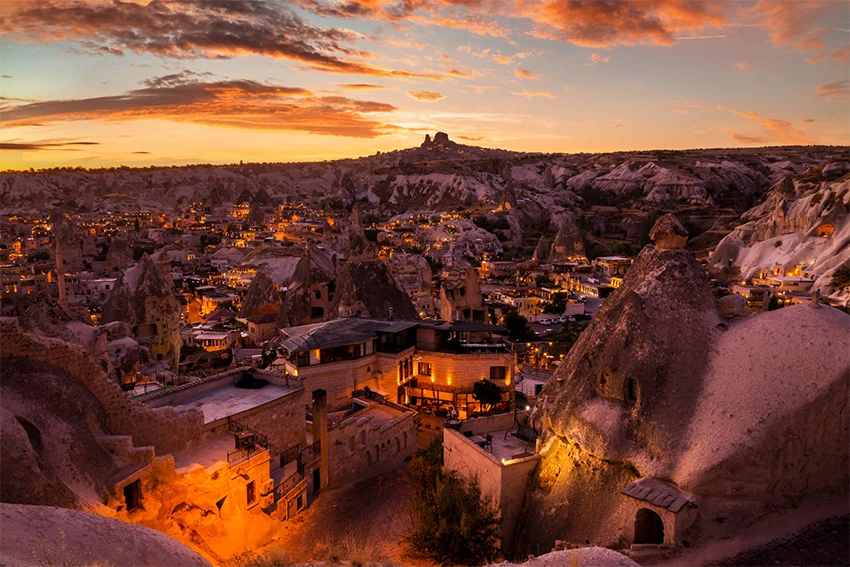
Göreme brings several of Cappadocia's defining experiences together in one compact destination. The same day can begin beneath hot-air balloons, continue through centuries-old rock churches and an eroded valley, and finish on a terrace overlooking fairy chimneys.
No single monument or viewpoint explains the town. Its value comes from seeing geology, settlement history, religious art, agriculture and present-day life within the same landscape.
The town is also a practical base for nearby places. Uçhisar, Paşabağ, Zelve, Çavuşin, Ürgüp and Avanos can be connected through day tours, private routes or independent travel.
For a complete regional plan, use the Cappadocia trip planning guide and build the itinerary around arrival time, departure time, balloon plans and your preferred travel pace.